See marine life at Toba Aquarium, explore pearl cultivation and ama culture on Mikimoto Pearl Island, and try grilled shellfish or Ise udon. Pair station-side sightseeing with a coastal inn for one night. Give Osatsu's ama huts or Uramura's Sea-Folk Museum a separate coastal outing, arranging buses or shuttles around the places you want to visit.
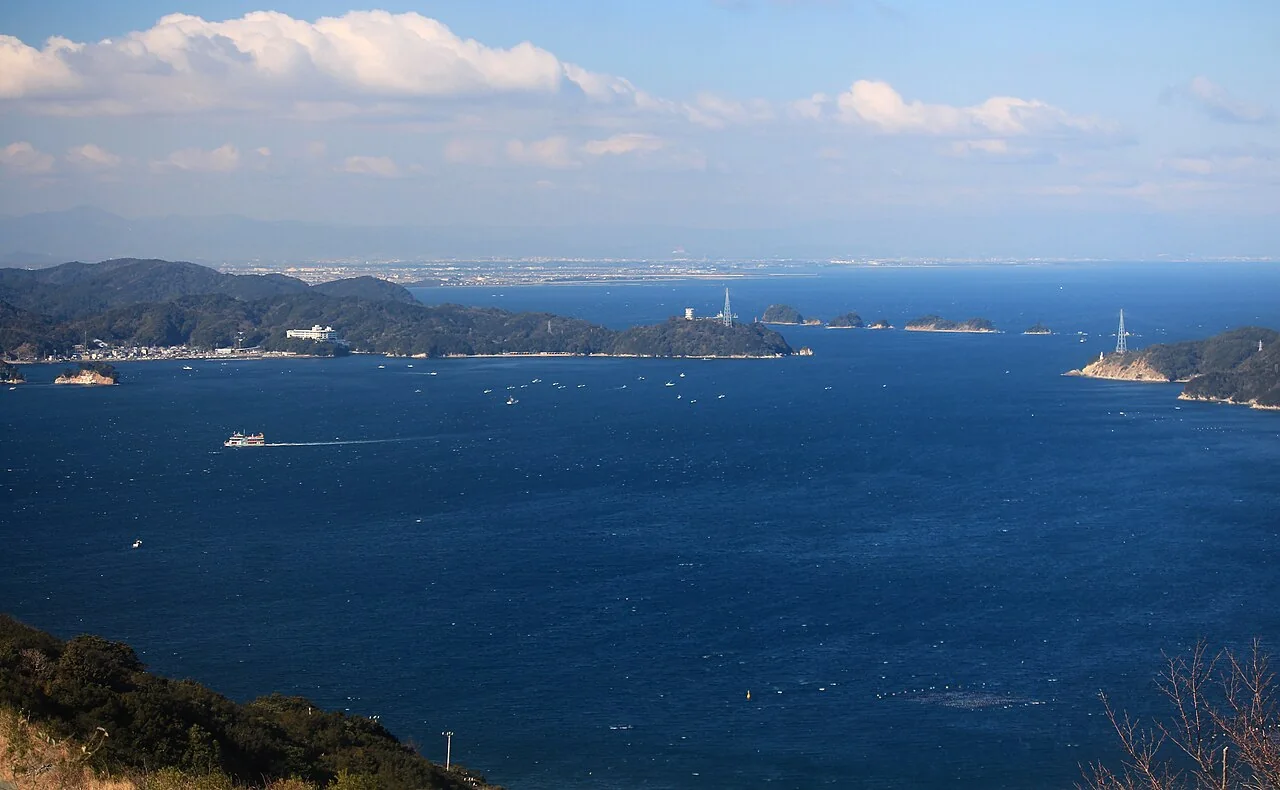
Toba, Mie — Pearls, ama divers and marine life: three perspectives on Toba's sea.
Arrival gateway
Toba Station on JR and Kintetsu lines
Getting around
Walk around central Toba; use Kamome Bus or an inn shuttle for Uramura and Osatsu.
A good trip for
Marine exhibits, coastal culture and a seafood-focused stay
Places to explore
Waterfront south of Toba Station
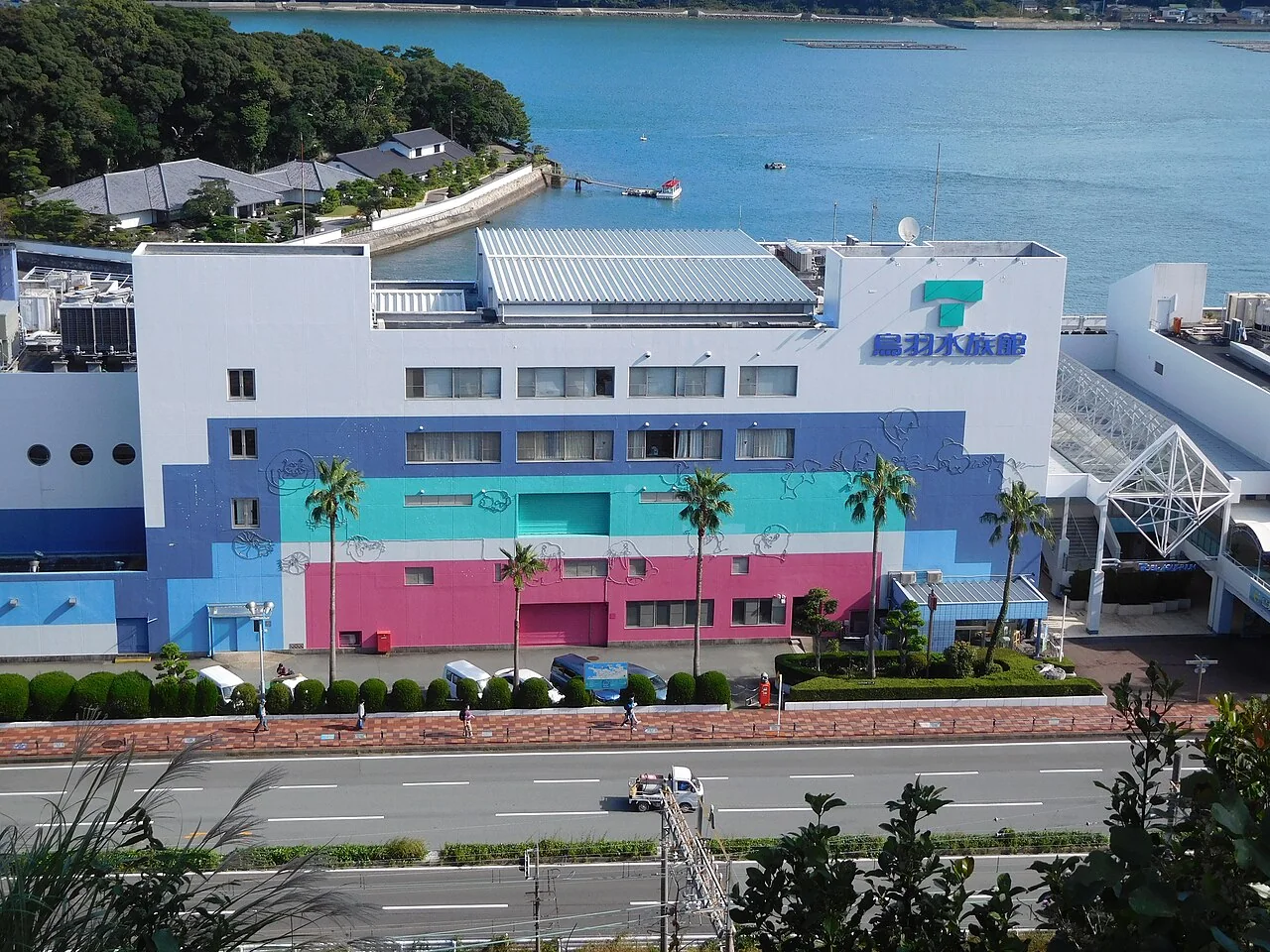
Toba Aquarium
Follow marine habitats and watch animals at different scales, from larger creatures in motion to smaller life in the tanks. Stop at the displays that interest your group. This gives the living sea its own time, distinct from Pearl Island's focus on people and marine work.
Toba Aquarium
Location and access
Walk from Toba Station towards the waterfront.
Time to allow
Allow 2–3 hours
For a departure-day visit, enter early enough to leave room for lunch and luggage collection.
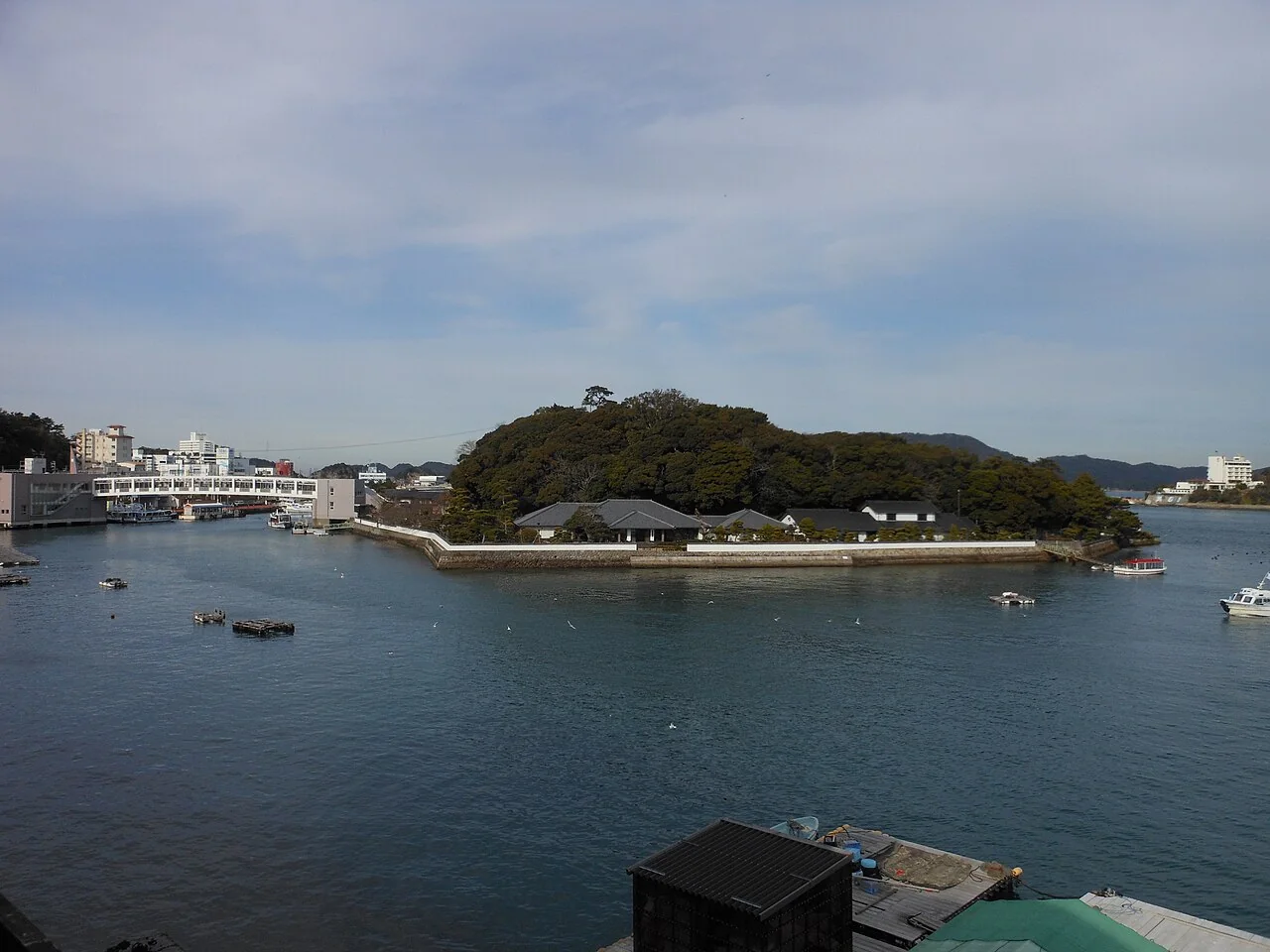
Cross the bridge to explore how pearls form, how they are cultivated and Kokichi Mikimoto's work. The Pearl Museum, memorial hall and ama diving demonstration offer different perspectives. Alongside an aquarium visit, this is a chance to focus on people, technique and the work connected with the sea.
Mikimoto Pearl Island
Location and access
Enter across the bridge from the station-side waterfront.
Time to allow
Allow 90–120 minutes
Opening hours
09:00–17:00 on 13 October–26 November 2026; ticket sales end 16:00. Hours vary seasonally.
Price
Adults: ¥1,650 including tax and the ama demonstration
Establish the day's ama demonstration time first when it is a priority.
A hillside park gives a view across Toba Bay from the former castle site. Look at the terrain and surviving stonework, then compare the elevated sea view with the waterfront below. This is a ruins-and-park visit rather than entry to a surviving keep, suited to a short clear-weather stop.
Location and access
Climb from the central waterfront streets.
Time to allow
Allow 30–45 minutes
Leave large bags and assess the climb after a lengthy aquarium visit.
Fishing tools, wooden boats and ama displays explore how people live with the sea. Compare hull shapes in the boat storehouse and follow coastal working life through the galleries. The buildings add an architectural interest. This is a separate Uramura outing with a different focus from the aquarium.
Location and access
Take Kamome Bus from Toba Station to Umi no Hakubutsukan-mae.
Time to allow
Allow 90–120 minutes
Opening hours
March–November 09:00–17:00; December–February 09:00–16:30. Last admission 30 minutes before closing.
Price
Adults: ¥800 per person
See the boat storehouse first if arriving later; it closes at 16:00.
This shrine is connected with the beliefs of Osatsu's ama divers. Ishigami-san is associated with women's wishes; visit respectfully without treating a wish as a guaranteed outcome. Pair worship with an ama-hut meal or Chidorigahama to explore the fishing district rather than travelling south for a single brief stop.
Location and access
Use a Kamome Bus service towards Osatsu, followed by a local walk.
Time to allow
Allow 20–30 minutes
Build the local route around the location and time of a reserved ama-hut meal.
Osatsu's beach offers sand and an open sea view during a stay in the southern coastal district. It is a different seaside experience from central Toba's attractions. A shore walk can fit outside swimming season; swimming itself depends on the supervised season and local conditions.
Location and access
Visit as part of an Osatsu stay, following the inn's local directions.
Time to allow
Allow 30–45 minutes
Use a short beach walk before or after the shrine or an ama-hut visit.
Add Shiroyama Park if time remains centrally; after a southern outing, prioritise the station connection.
Local food to try
Grilled shellfish
Toba Ichibangai by the station offers shellfish dishes for a smaller seafood lunch. Choose by species and portion, especially before a substantial inn dinner, rather than ordering from a general seafood photograph.
This Ise-Shima fish-and-rice dish is an option for a station-side lunch. Use Toba Ichibangai's regional-food guide to choose a venue and look at the presentation; it is a different meal from individual pieces of nigiri sushi.
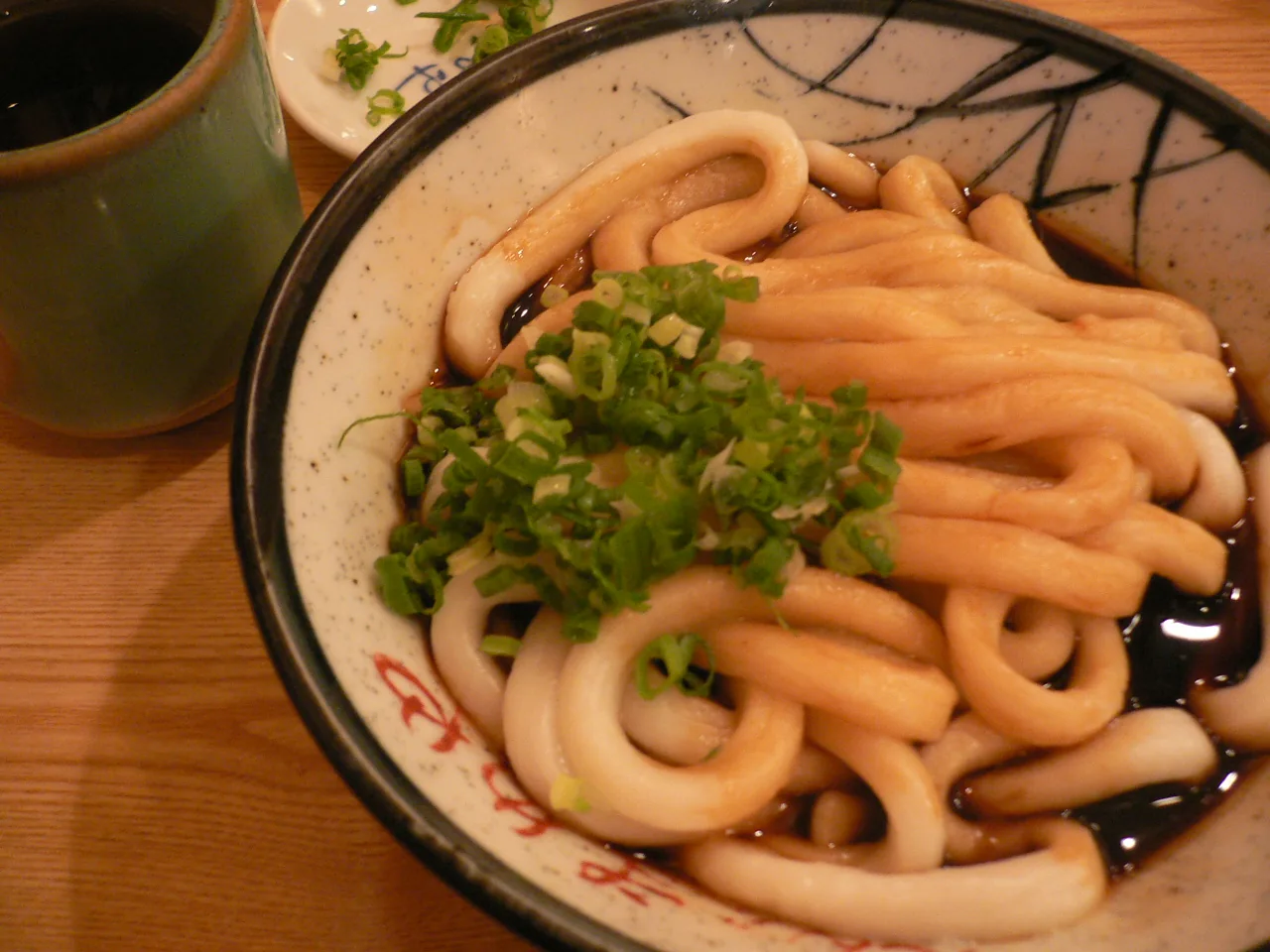
Thick, soft noodles served with sauce make a change from seafood. Look around the station, including Toba Ichibangai. A noodle-focused lunch leaves a different meal for the evening if the inn serves lobster or shellfish.
Bathing in Toba is generally centred on the inn. A communal bath, a sea-facing outdoor bath and a private room bath can differ in views, hours and water supply. Match the actual room category with its bath description rather than inferring spring water from an amenity label. A seafront inn also does not give every room and bath the same view. Instead of adding another day-bath transfer, an early arrival can leave time for a soak with the landscape and another bath after dinner. Choose the facilities that support the stay you want.
Central Toba, Arashima, Uramura or Osatsu
Use the station district as a base for walking to the aquarium and Pearl Island. Arashima and Obama combine coastal views with a transfer from the station. Uramura suits a visit involving the Sea-Folk Museum or oyster food, while Osatsu centres on Ishigami-san and ama culture. Choosing the district first establishes the following morning and the return to the station. For a southern stay, keep dinner and the evening local rather than plan repeated trips into central Toba. A view-led coastal night and a station-based sightseeing night create different itineraries.
From Toba Station along the coast
JR and Kintetsu serve Toba Station, with central attractions accessible on foot. Kamome Bus or an inn shuttle covers the onward coastal journey. The Sea-Folk Museum is about 35 minutes by bus from the station, immediately by its named stop. A station shuttle does not establish transport between attractions. Municipal ferries to inhabited islands and bay sightseeing cruises serve different purposes; an island day requires a port transfer and return sailing. Put an Ise Jingu outing on a separate day from central Toba sightseeing when planning a short stay.
Aquarium, Pearl Island and Shiroyama Park: choose the station-side day
If Toba Aquarium is the priority, examine the exhibits and day's visitor information, then give it the main sightseeing time. Animal condition and displays change, so do not treat a particular sighting as guaranteed. Include meals and family rests in the visit.
Mikimoto Pearl Island approaches the sea through people and work: its pearl museum, Kokichi Mikimoto memorial and ama diving demonstrations offer a different visit from the aquarium. Check the day's arrangements for a demonstration, and allow for outdoor movement between parts of the island.
In clear weather, Shiroyama Park at Toba Castle's ruins can add a short view over the bay. It is a park on a castle site, not a visit inside a surviving keep. Leave luggage before the climb. If visiting both major attractions, keep the park optional so it does not take time from the exhibits.
Make Osatsu ama culture and Uramura's museum a coastal route
In Osatsu, consider Ishigami-san within Shinmei Shrine, an ama-hut meal and Chidorigahama Beach. Visit the shrine through its association with ama belief, without treating the fulfilment of wishes as a promised outcome. For a hut experience, distinguish a visit from a meal and check whether reservations are required.
Separate a walk along Chidorigahama's sand from summer swimming. Use the current year's swimming and supervision information. An inn beside the shore does not mean entering the water suits every season or weather condition.
Uramura's Sea-Folk Museum presents fishing equipment, boats and ama culture. It is also outside station-side Toba: if combining it with an Osatsu experience, examine the road sequence and transport first. Give central attractions and the southern coast separate days instead of trying to add the entire coastline after the aquarium.
Grilled shellfish, tekone-zushi and Ise udon for a Toba lunch
A Toba lunch need not be a spiny-lobster course. Compare the shellfish species and portion for grilled shellfish, or consider fish-based tekone-zushi and Ise udon, whose thick soft noodles are served with sauce. Toba Ichibangai's food guide lists regional dishes for a station-side meal before the inn transfer.
With seafood courses at dinner, choose a lighter noodle lunch, or make lunch the main food outing and compare breakfast-only accommodation. After an ama-hut grill at midday, check whether dinner repeats the same ingredients. Describe specific shellfish or fish you cannot eat when asking about alternatives.
For Uramura oysters, confirm the business's operating season, reservations, session rules, cooking method and any bring-your-own arrangements. A platter photograph or a seafood label does not identify the meal. Use the booked menu, allowing for changes in the catch or sea conditions.
Separate a boat day from a rainy-day plan, with family rests included
Distinguish sightseeing cruises on Toba Bay from municipal ferries to the inhabited islands. For a ferry outing, the time on the island and the return sailing govern the day. Ask specifically whether the inn's shuttle can serve the port or collect you after the return; a station shuttle does not establish that service.
In rain or wind, make the aquarium the main stop or choose cultural exhibits at the Sea-Folk Museum. Pearl Island has indoor displays, but demonstrations and outdoor transfers may be affected differently. For a boat-led day, identify baggage storage or the possibility of reaching the inn earlier if sailings are cancelled.
The aquarium has dedicated wheelchair and stroller information. A hillside bay-view inn, castle ruins and port each have different approaches. Check access separately for property, attraction and boat rather than using the destination name as a guide to walkability.
Choosing central Toba, Arashima, Uramura or Osatsu
For an aquarium or pearl-island visit with an onsen night, central Toba provides a useful starting point. Compare sea views with station transfers for Obama and Arashima inns. Even a relatively central property can be on a hill, so do not choose by distance alone.
For Uramura or Osatsu, consider finishing daytime sightseeing before continuing to the coastal inn for dinner and bathing. Decide whether the next morning returns to Toba Station or stays in that district before selecting the shuttle or bus.
A suggested overnight stay: a coastal inn, then the aquarium
Our suggestion is lunch around the station, then a transfer to the inn for an unhurried coastal afternoon. The next day, leave luggage near the station and give Toba Aquarium time before travelling home. The aquarium has walking access from Toba Station, making it a possible main stop on departure day.
For an interest in ama diving culture, substitute Osatsu's Shinmei Shrine or an ama-hut experience for the aquarium. Do not plan to walk between central Toba and Osatsu; coordinate the reserved experience with the bus or shuttle. The aim is to retain time at the inn.
For lobster, abalone or oysters, compare the named dish
For a meal-led trip, look beyond a seafood-course label: does it include spiny lobster or abalone, and how are the oysters prepared? Plans differ in origin, serving size, supplements and serving season. Compare the booked menu rather than assuming a cover photograph identifies the dinner.
For oysters in Uramura or an ama-hut meal in Osatsu, coordinate the lunch reservation with the inn's dinner. Choosing a district around food, then comparing baths and views, gives a clearer distinction between coastal properties.
Without a car, plan both directions to Osatsu
Kamome Bus serves Toba, including routes towards Osatsu from the station side. Separate central sights such as the aquarium from the transfer to a coastal district, then check boarding stop, destination stop and return service. An inn's station shuttle does not necessarily provide transport between attractions.
For Ise Jingu, decide between Geku and Naiku first. Rail and bus routes connect from Toba, but allow for reaching the station from your coastal inn too. Putting Toba sightseeing and the Ise visit on separate days gives a one-night trip more room.
살펴볼 숙소
Sun Urashima Yuki-no-Sato
Todaya
Toba International Hotel Shiojitei
자주 묻는 질문
Which Toba district works best without a car?
Start with the station area for an aquarium or pearl-island visit. For Arashima, Uramura or Osatsu, check the shuttle or local bus and decide how to return the next morning before selecting the property.
Can I visit Ise Jingu during a Toba stay?
Public-transport routes connect Toba with Ise. Choose Geku or Naiku first and include the journey from the inn to Toba Station and the return. For more time at the onsen inn, consider visiting Toba's sights and Ise on separate days.
Photo credits
Photos are resized or cropped. Each photograph retains its linked licence.