Look at Tokaikan's intricate woodwork, walk from the Matsukawa to the sea, and try kinmedai fish or guri-cha tea. Ito's station-side onsen town and the Izu Kogen area around Mount Omuro and Jogasaki Coast need different journeys. Spend arrival day on town walks and the inn's baths, then choose one mountain or coastal outing for the following day.
Ito, Shizuoka — Wooden riverside architecture, a volcanic coast and a rounded mountain.
Arrival gateway
JR Ito Station on the Ito Line
Getting around
Walk central Ito; use rail and bus towards Izu Kogen
A good trip for
Architecture and waterfront walks with a separate nature day
Places to explore
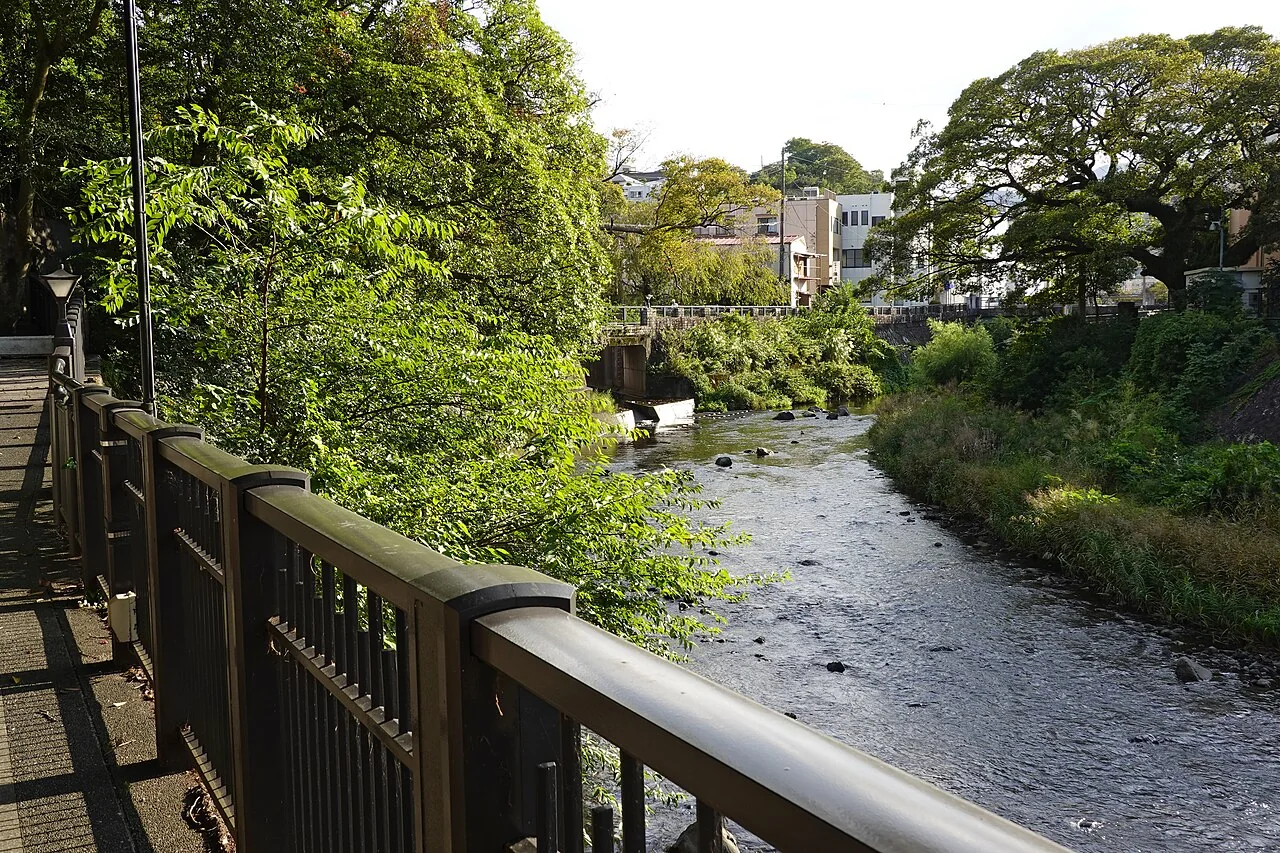
Higashimatsubaracho, Matsukawa riverside
Tokaikan
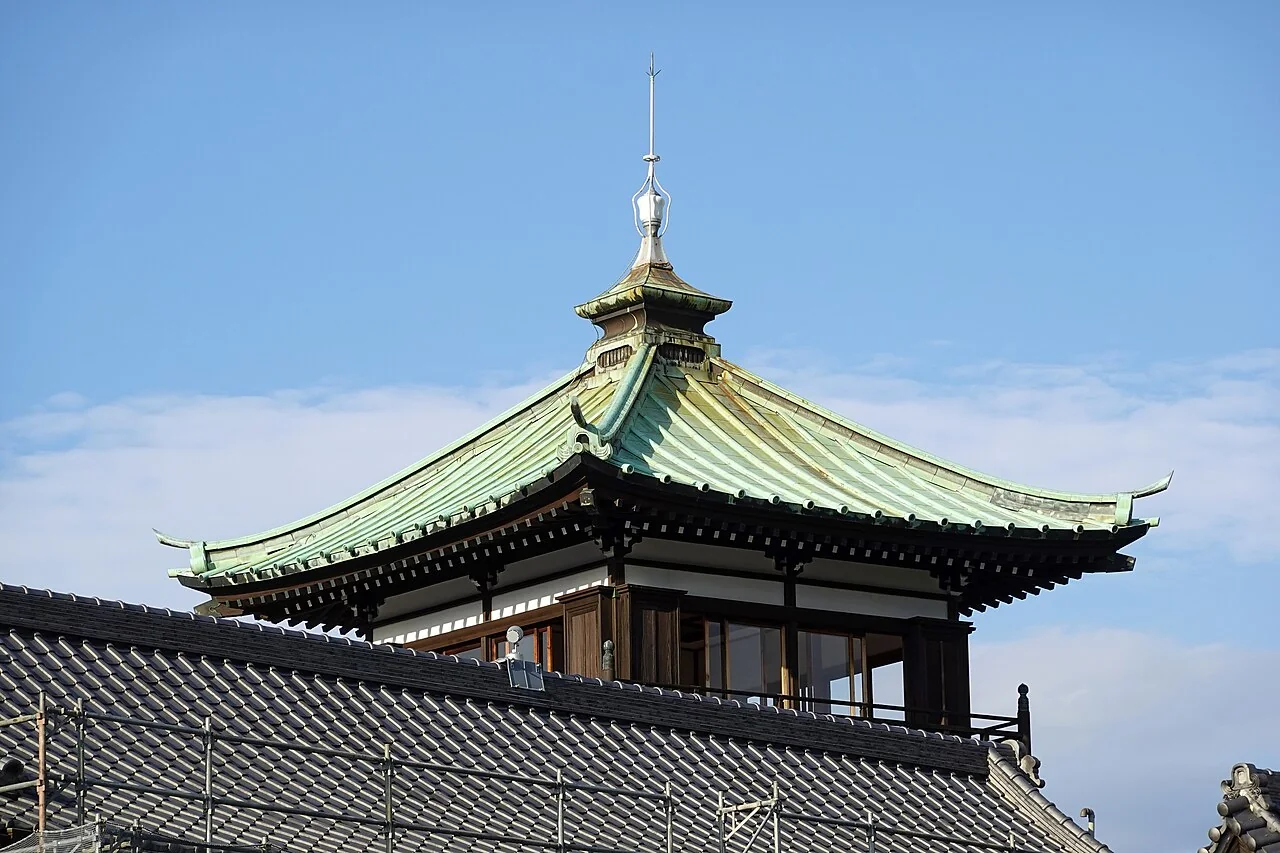
This former three-storey wooden inn faces the Matsukawa. Notice room entrances, carved transoms, sliding-screen patterns and polished timber. Look at the river-facing exterior before entering to understand the arrangement of windows and rooms. The craftsmanship gives a close view of the building that once welcomed the town's bathers.
Tokaikan’s lookout tower
Location and access
About seven minutes on foot from Ito Station
Time to allow
45–75 minutes
Opening hours
09:00–21:00; last reception 20:00. Closed third Tue, next day if a holiday, and 1 Jan
Price
Sightseeing admission: adult ¥300 from fiscal 2026
The interior is not accessible for wheelchair visits. Sightseeing and bathing charges are separate.
Walk beside the river for a little distance from Tokaikan and the surrounding buildings. Reflections and rows of wooden windows give a different perspective from the decorated interiors. The central promenade offers flowing water and town life without requiring a journey onto a longer natural coastal trail.
Location and access
Walk from the station side towards Tokaikan and the river
Time to allow
20–40 minutes
Compare the river-facing exterior before and after seeing Tokaikan's rooms.
Kenji Shigeoka's sculptures share the setting with the sea. Moving from the riverside architecture towards the waterfront opens the view. Look at a work close up, then change position to see how the coastal background changes its appearance. This is a sculpture-and-seaside stop rather than a playground visit.
Location and access
Walk towards the sea from Matsukawa
Time to allow
20–40 minutes
The city lists no playground equipment; choose Orange Beach separately for sand play.
This sandy beach near central Ito offers a different seaside setting from the sculpture park. Take a short sand-side break or a waterfront walk outside swimming season. Beach facilities and supervised swimming follow a seasonal programme, so treat looking at the sea and entering it as separate activities.
Location and access
Walk towards the coast from the station or town centre
Time to allow
30–45 minutes
Carry a towel and a change of clothes if sand play is part of the outing.
Take the lift up the rounded grassy mountain and walk around the crater rim. Wide coastal views contrast with the depression close beside you. Walking up the mountain is prohibited, so the return lift is the access. This gives a very different volcanic landscape from examining the rocks along Jogasaki Coast.
Location and access
Separate transport from central Ito to the lift base
Time to allow
60–90 minutes, queues extra
Opening hours
Mar–Sep 09:00–17:00; Oct–Feb 09:00–16:00; last downhill 15 minutes later
Price
Return lift: adult, junior high school and up, ¥1,000
Maintenance closure is announced for 7–18 Dec 2026; a suspended lift cannot be replaced by walking up.
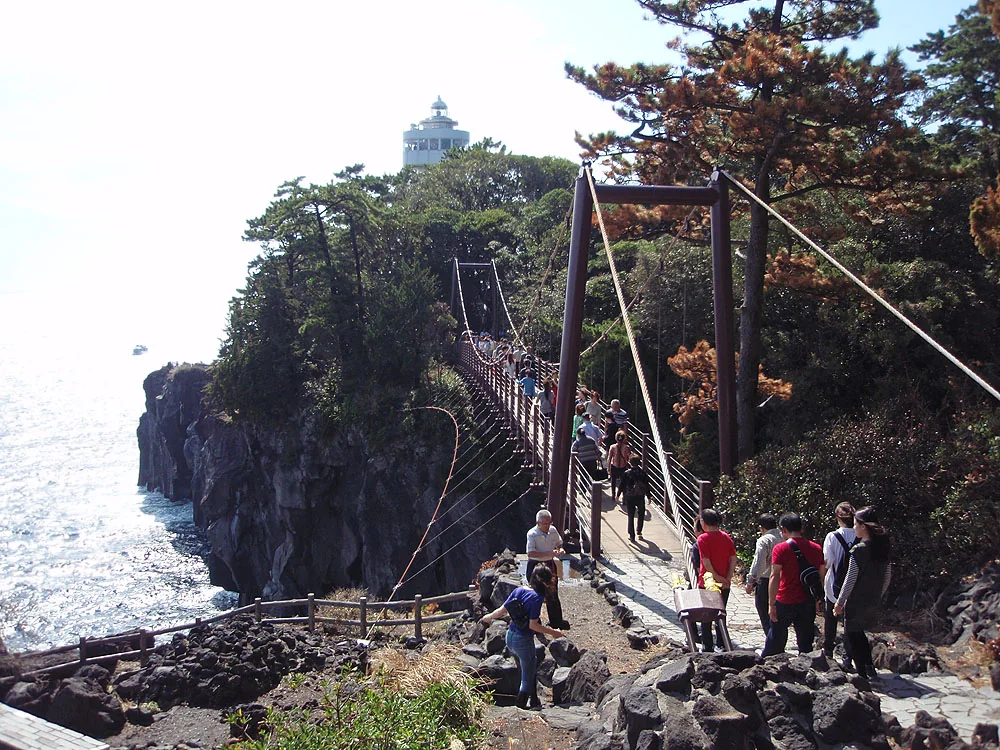
Observe lava-shaped coastline and a suspension bridge over the inlet. Rock forms and places where waves enter reveal a coast very different from the town beach. A visit around the bridge and a longer natural-trail walk have different time and footwear needs, so choose the extent before setting out.
Kadowaki Suspension Bridge on Jogasaki Coast
Location and access
The bridge is a further walk from Jogasaki-Kaigan Station; select the trail entrance
Time to allow
60–90 minutes around the bridge, station transfer extra
Choose the Kadowaki-side entrance and return route rather than relying on the station name alone.
Restaurants and gift shops gather beside the sea, offering a concentrated food-and-shopping stop distinct from the historic Matsukawa district. The footbath and sightseeing boats operate differently from indoor shops. Decide whether food, gifts or a coastal activity is the reason for visiting, since each gives the facility a different pace.
Location and access
Separate bus or road journey from the station and central town
Time to allow
60–90 minutes; boat or bathing extra
Food and shopping can be the focus even when seaside activities are unavailable.
For a day without the mountain or coast, combine lunch and gifts here without depending on boats or the outdoor footbath.
Local food to try
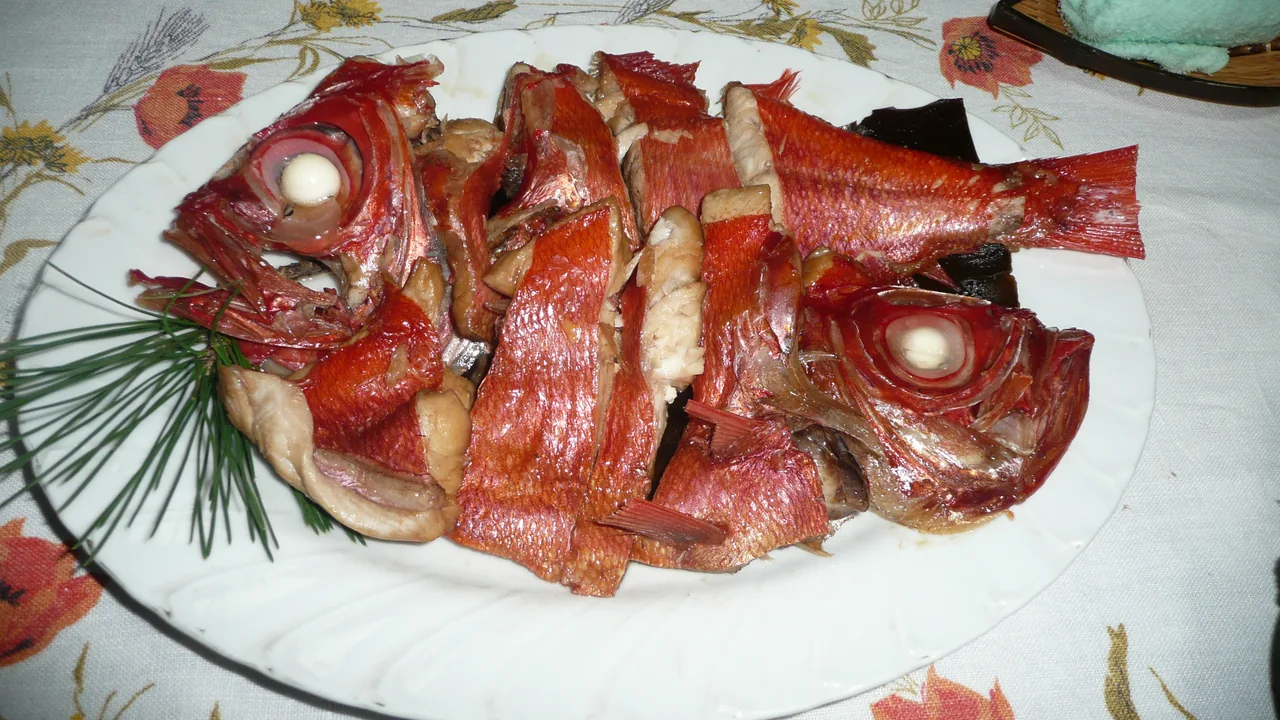
Kinmedai dishes
Choose preparations such as simmered kinmedai alongside raw seafood. Compare lunch with the inn's dinner menu if you want different dishes across the two meals.
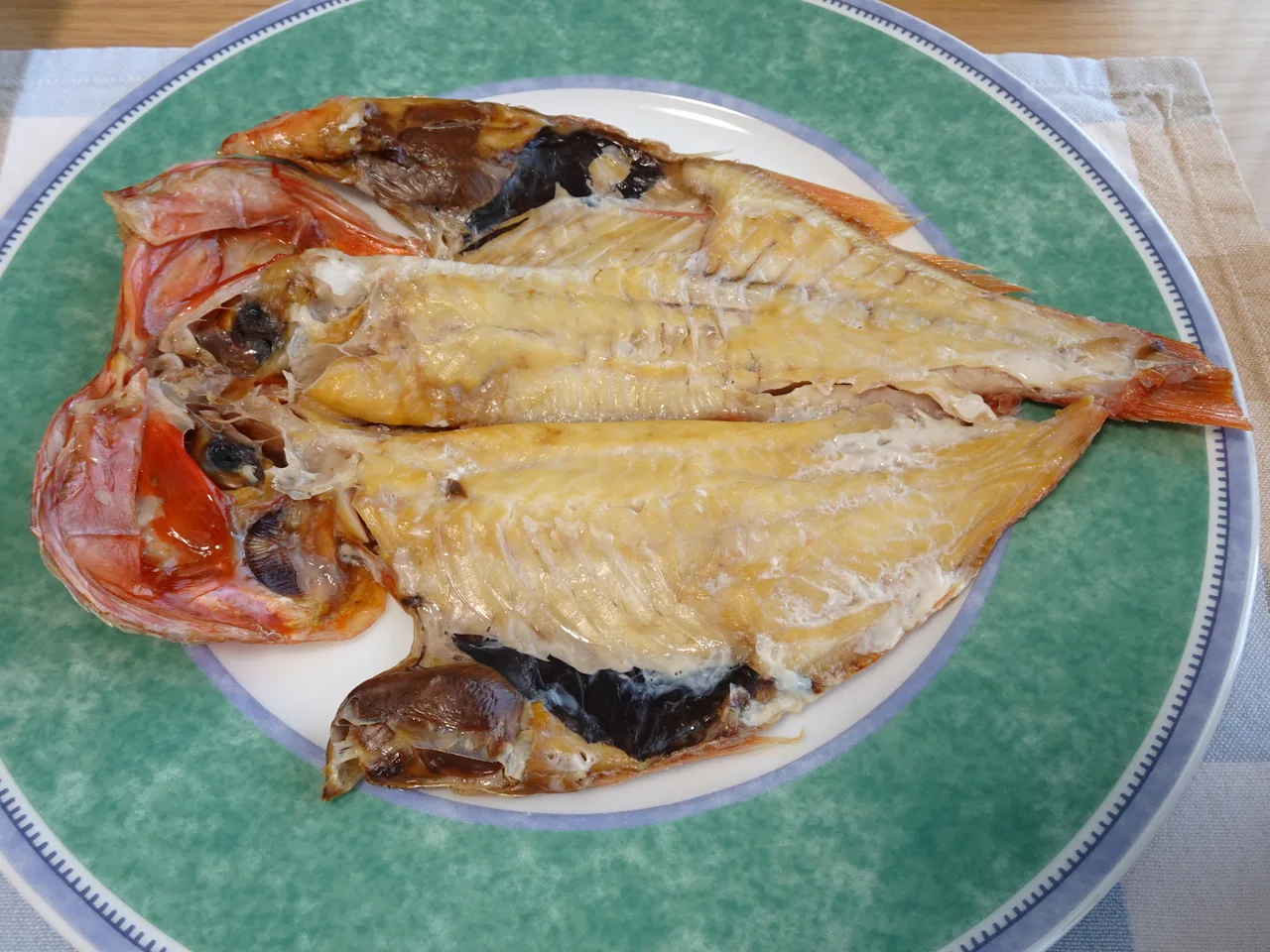
Try grilled dried fish for lunch or choose it as a gift. For take-home purchases, ask about later collection or delivery rather than carrying chilled fish through an Izu Kogen outing.
Izu's curled-leaf tea can be enjoyed as a drink or chosen as leaves and tea-flavoured sweets to take home, adding a local beverage after a seafood lunch.
Tokaikan is a former inn open for architectural sightseeing, with adult entry ¥300 from fiscal 2026. Its bath is advertised separately at ¥500 for adults and operates on Saturdays, Sundays and holidays. A building-opening day does not establish bath availability. The interior has steps and does not accommodate wheelchair sightseeing.
Separate time in the inn's bath from an architectural visit and a journey to another day-use facility. Marine Town also offers bathing and footbath experiences, but requires a separate transfer. For private or room baths, read the water description as well as whether the tub is indoor or open-air; the equipment name alone does not identify its spring supply.
Matsukawa town and Izu Kogen need different bases
For walks between Ito Station, Matsukawa, Tokaikan and the coast, a central inn provides the starting point. With a town dinner, establish the route back from the restaurant. Sea-facing rooms and private baths are separate choices from proximity to these streets.
If Omuro or Jogasaki is the main purpose, consider Izu Kogen bases too. Attractions within the same city are not necessarily close on foot. For a town walk on arrival and nature outing next day, decide whether bags must be collected from an Ito inn or can stay near the station for onward travel. Choose the base around the actual locations of the landscapes you want to see.
Two different journeys beyond Ito Station
Arrive at Ito by the Ito Line or a suitable limited express, then leave bags for central walks. Omuro and Jogasaki require a separate Izu Kogen rail-and-bus plan, and the coast's bridge is a further walk from its station. Navigate to the actual trail or lift entrance, not merely a similarly named station.
Walking up Omuro is prohibited, so a suspended lift cannot be replaced by a climb. Maintenance is announced for 7–18 December 2026. Give one nature district the main outing with return transport arranged. Marine Town is also separate from Matsukawa's walking area; plan a purposeful round trip for food and shopping there.
Tokaikan, Matsukawa and Nagisa Park: three town perspectives
Tokaikan gives a central focus to an Ito walk. Inside, look for woodwork around guest-room entrances and the designs of transoms and sliding screens. Viewing the exterior from the Matsukawa side first makes the relationship between river-facing rooms and building easier to understand. Check admission for sightseeing separately from bathing.
Use Matsukawa Promenade for a short walk looking back at the architecture. Continue towards the sea for Nagisa Park, where sculptures by Kenji Shigeoka share the setting with the waterfront. The city lists no playground equipment there, so choose a different activity if active play is the purpose.
For sand rather than sculpture, make Ito Orange Beach a separate stop. Select among interiors, river walk and seaside rest around energy and wind. Start with the time you want to return to the inn, rather than treating every stop as compulsory.
Mount Omuro or Jogasaki Coast: choose the Izu Kogen outing
Mount Omuro is an outing by lift to the summit and a walk around the crater rim. Jogasaki Coast offers lava scenery and walks around places such as Kadowaki Suspension Bridge. A panoramic viewpoint and a close look at the coastline require different walking and transport plans. Give either an outing towards Izu Kogen of its own.
The name Jogasaki-Kaigan Station does not put the bridge outside the platform. Decide your trail entrance, turnaround point and return transport beforehand. Finish natural coastal paths before dark and substitute another activity in rain or strong wind.
For both in a one-night trip, check the return connections and whether you can reach the inn before dinner reception closes. Keeping arrival day for town and the next day for either mountain or coast gives both sightseeing and the stay time. Use the day's operating information for lifts and boats that weather can suspend.
Kinmedai, dried fish and guri-cha: choosing an Ito meal
Alongside sashimi or seafood bowls, consider kinmedai dishes, dried fish and guri-cha. For kinmedai, compare preparations such as simmered fish with the inn's dinner: decide whether to repeat the dish or choose a different lunch. If species or origin determines the choice, use the day's menu and ask the shop.
Guri-cha is an Izu tea with curled leaves. Tea itself and sweets made with it offer different gifts. For dried fish, compare a later collection or delivery with carrying a chilled purchase through a coastal or mountain outing.
Ito Marine Town brings restaurants and gift shops together. It needs a separate journey from Tokaikan's hot-spring district, however. Without a car, check buses in both directions and decide whether you want lunch and shopping only, or time for a bath or boat too.
Rain and steps: Tokaikan is not accessible to every visitor
Tokaikan is indoors, but its official listing states that it is not barrier-free and wheelchair visits are unavailable. A historic building with stairs is not an indoor fallback that suits everyone. Consider an exterior view or a different facility with access that matches your group.
For Marine Town in rain, distinguish dining inside from outdoor activities. The sea promenade, footbath and sightseeing boats can be unavailable because of weather. Read the day's operating board and decide whether the facilities that remain available justify the trip.
Leaving luggage before a short Matsukawa stroll, or arriving at the inn early in heavier rain, gives the stay flexibility. For children, include a change of clothes and rests; avoid putting a long coastal walk and a building full of stairs into the same afternoon.
Ito Station and Matsukawa are a different base from Izu Kogen
For Matsukawa Promenade, Tokaikan and a coastal stroll, start with inns around Ito Station. If Mount Omuro or Jogasaki Coast is the main reason for travelling, compare locations towards Izu Kogen too. An address within Ito City does not put every property in one walkable district.
For a car-free overnight trip, check the round trip between the inn's nearest station and your chosen sights. A property that requires a return to the station for each outing creates a different day from one in the walkable hot-spring town.
A suggested overnight stay: Tokaikan, Matsukawa and one outing
Our inn-focused suggestion is lunch in Ito, a visit to Tokaikan's wooden architecture and a Matsukawa walk before checking in. Keep enough time for a bath before dinner. On day two, choose a coastal outing or a trip towards Izu Kogen rather than trying to fit both into the journey home.
Tokaikan is now a tourism and cultural facility. Arrangements for visiting the building differ from those for bathing; if the bath is your purpose, check its bathing days and reception arrangements separately.
Check Mount Omuro's lift before setting out
Access to Mount Omuro's summit is by chairlift. Walking up is prohibited to protect the mountain, so a suspended lift cannot be replaced by a hike. Check the operator for wind, weather and maintenance closures before travelling there.
For the crater circuit, plan footwear and the return bus as well as the lift. An alternative day of architecture and food in Ito's town centre gives you a way to adjust the outing while keeping the inn stay.
Compare the seafood and room bath on the actual plan
For a food-led visit, check whether a dish you want, such as kinmedai, is part of the standard dinner or an extra. Seafood plans differ in origin and preparation. If a particular dish matters, compare plans that name it rather than relying on a general seafood description.
For a couple's room bath, compare hot-spring water, outdoor versus indoor design and any use restrictions. A hot-spring communal bath does not establish the water supplied to every room bath.
살펴볼 숙소
Seizan Yamato
Toshinan Komeya
Ito Ryokuyu
자주 묻는 질문
Can I walk from Ito Station to Mount Omuro as part of a town visit?
Treat central Ito and Mount Omuro as separate sightseeing areas and include transport such as a bus. Summit access is by lift; hiking up is prohibited. Check lift operations together with your outward and return transport.
Is Tokaikan still a ryokan where I can stay?
It is a tourism and cultural facility in a former ryokan, separate from your overnight accommodation. Building visits and day bathing have different arrangements; check the information for your intended visit.
Photo credits
Photos are resized or cropped. Each photograph retains its linked licence.