Choose a garden walk at Gora Park, ceramics at Hakone Museum of Art or a glass or pottery session at Crafthouse. Gora pairs these outings with a mountain onsen stay. Map the park, museum and inn against cable-car stops to account for the hills. For one night, give one venue time, then keep the evening for baths and dinner.
Hakone, Kanagawa — Gardens, sculpture and hot springs on Hakone's hillside.
Arrival gateway
Gora Station on the Hakone Tozan Railway
Getting around
Combine mountain railway and cable car; nearby addresses can involve steep walks.
A good trip for
Slow visits to gardens and museums between baths
Places to explore
Between Koen-shimo and Koen-kami
Hakone Gora Park
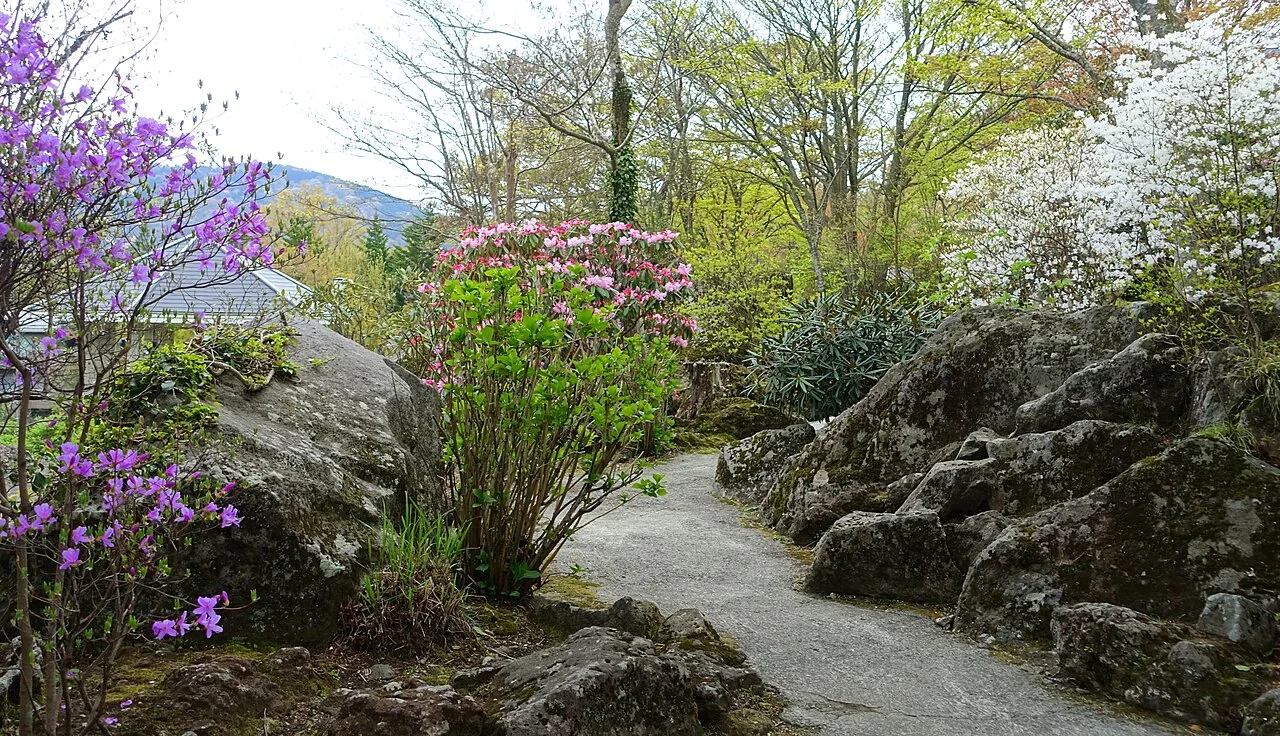
A fountain garden, roses and tropical greenhouses give this sloping park several distinct stops. Look across the formal garden towards the surrounding mountains, then move into the greenhouses. Decide whether to climb from the main gate or descend from the upper west gate; steps remain on either route.
Location and access
The main gate is by Koen-shimo; the west gate is by Koen-kami.
Historic Japanese ceramics and gardens of moss and stone give this museum a different focus from the Open-Air Museum. Divide the visit between looking closely at vessels and walking through the garden. Its Koen-kami-side position can be combined with a downhill visit to Gora Park.
Location and access
On the Koen-kami side of the cable car, separate from Gora Park.
Time to allow
Allow 60–90 minutes
Leave time for the tea room as well as the garden and ceramics.
Walk around outdoor sculptures to change the angle against Hakone's mountains, then explore indoor displays including the Picasso Pavilion. Interactive works and the forest footbath add variety. Children's play conditions depend on the particular artwork and weather, so these are individual activities within a broader art visit.
Location and access
By Chokoku-no-Mori Station, one railway stop before Gora.
Time to allow
Allow 2–3 hours
Opening hours
09:00–17:00, last admission 16:30; open year-round.
Choose an activity by what you want to make, such as blown glass, pottery or sandblasted glass. Working with changing material adds a hands-on experience to an art-focused trip. The studios are within Gora Park, so a session and garden walk can share one outing.
Location and access
Enter Gora Park and continue to the studios within the grounds.
Time to allow
Allow 1–2 hours according to the activity
Establish cooling, firing and collection or delivery arrangements when choosing a session.
At the cable-car and ropeway interchange, a viewing terrace and footbath create a pause in the mountain journey. Look out before continuing uphill, or make the ride from Gora an outing in its own right. A shop stop and rest can sit between the transport connections.
Location and access
Take the cable car from Gora to Sounzan.
Time to allow
Allow 20–40 minutes plus transport
Decide whether this is a short terrace stop or part of a longer Owakudani outing.
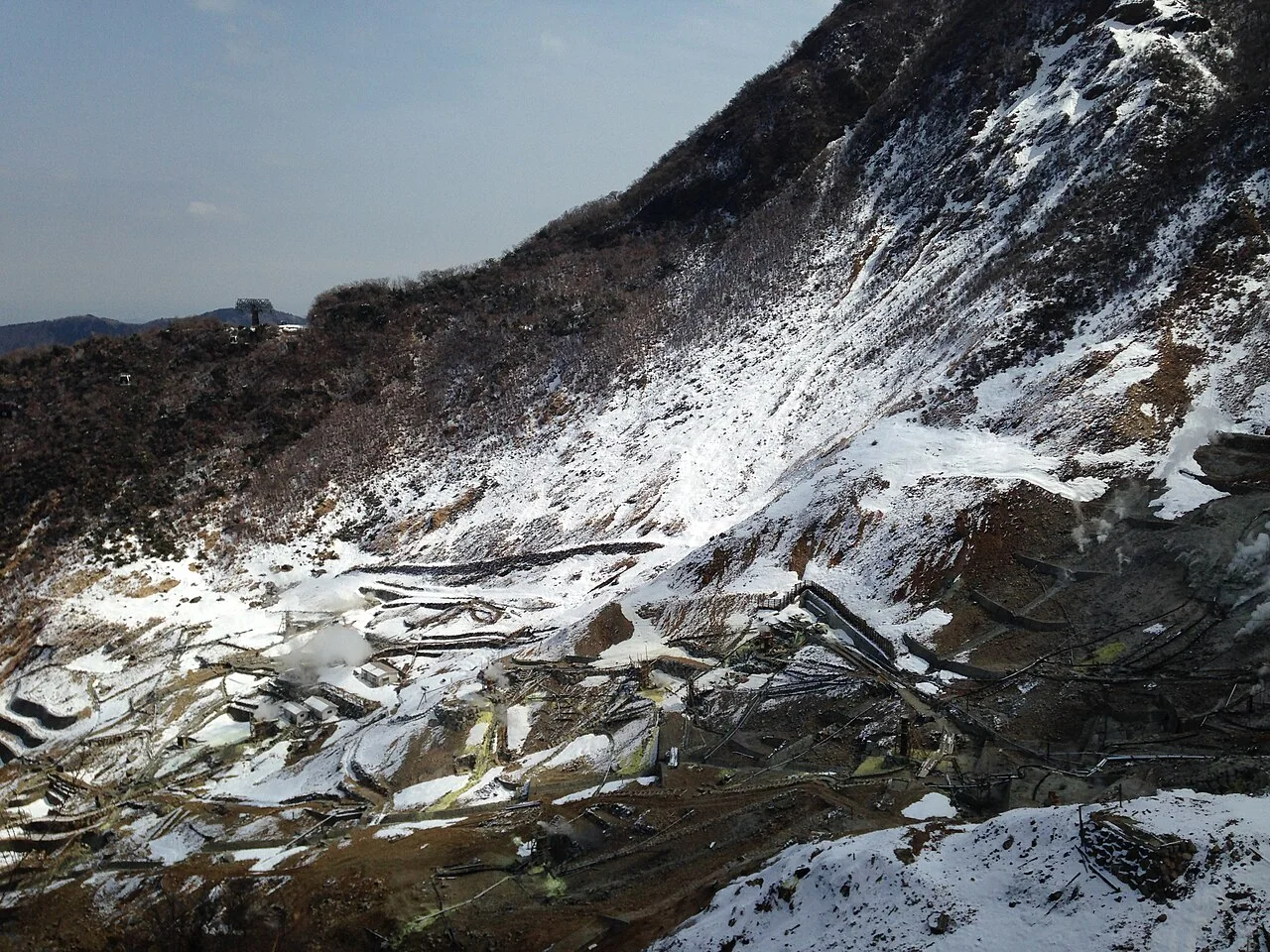
Steam rising from the ground and exposed slopes reveal Hakone's volcanic landscape. Viewing from the station area is separate from entering the supervised nature trail. The latter requires advance booking and eligibility conditions; reaching the station does not grant access to a free public walking trail.
The steaming valley at Owakudani
Location and access
Continue from Sounzan on the Hakone Ropeway.
Time to allow
Allow 45–60 minutes for viewing, plus travel
Follow volcanic-gas visitor restrictions; substitute a garden or museum day when services stop.
Replace the museum with the cable car and ropeway when operating, giving that circuit its own day.
Local food to try
Tofu cutlet stew
Tamura Ginkatsutei near Gora Station serves tofu filled with minced pork and simmered in stock. Despite tofu in its name, it uses meat and fish stock; choose a different option when seeking a vegetarian meal.
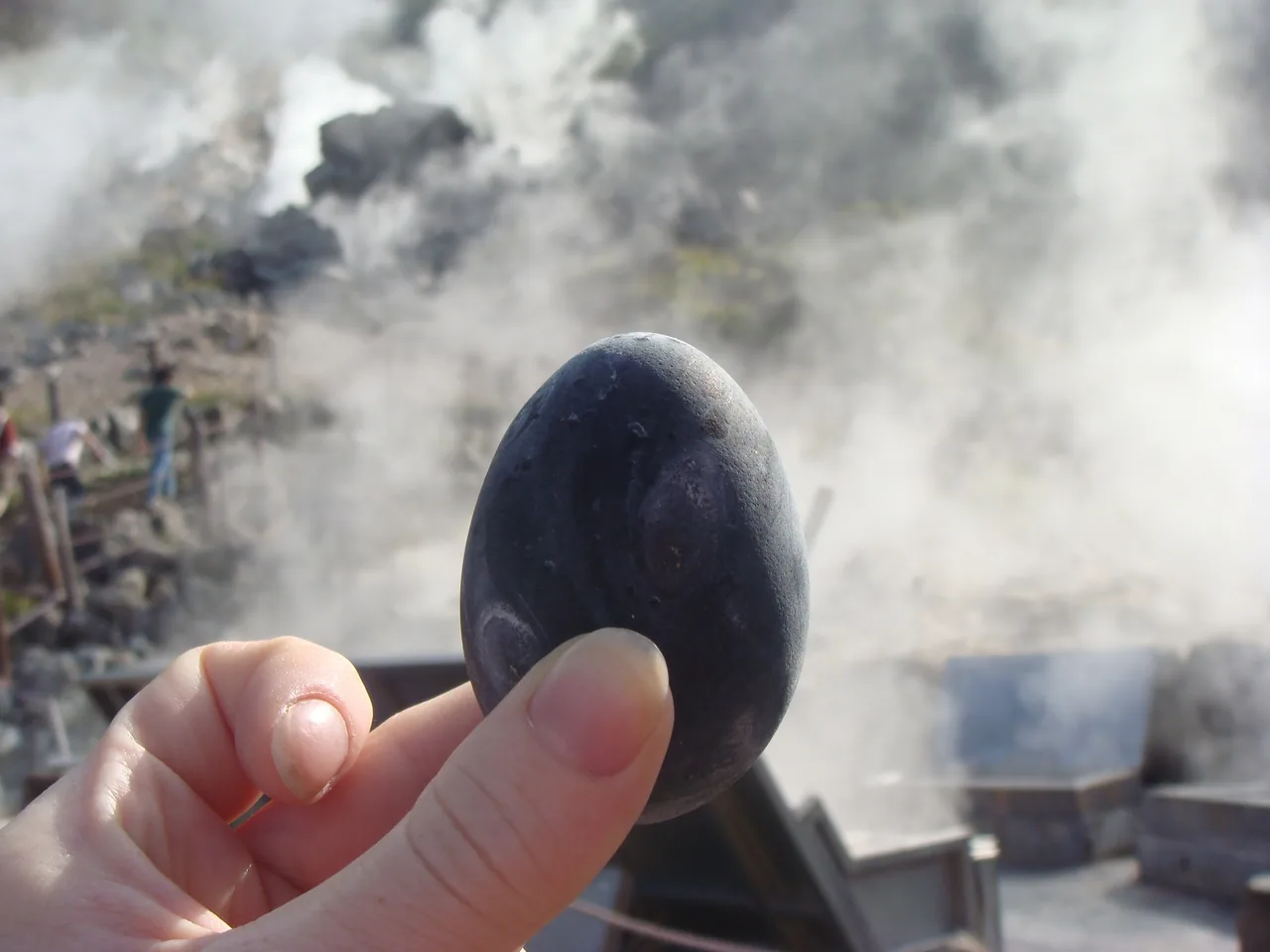
On an Owakudani outing, try eggs boiled in hot-spring pools and sold by Owakudani Kurotamago-kan. Geothermal water and volcanic gas turn the shell black. This is a mountain-sightseeing snack, separate from lunch near Gora Station.
Shinwatei, the Hakone Museum of Art tea room, offers a pause with matcha and a sweet looking towards the garden. Follow the ceramics with a garden walk and tea; the refreshment is separate from museum admission.
Water colour and spring type vary between Gora inns; the place name does not promise cloudy white water. A room bath can also have a different supply from the communal bath, so identify the water used in each when it matters to the trip. A reservable bath is a shared facility allocated to a party for a session; a room with an outdoor bath is a specific accommodation category. For a day that returns from gardens or museums, the inn's bath hours shape the evening. Owakudani sightseeing presents geothermal scenery and is separate from taking a bath.
Station-side or along the cable car
Gora Station is the interchange between the mountain railway and cable car. Properties around Koen-shimo and Koen-kami place gardens and the Hakone Museum of Art nearby, but at a different elevation from the railway. Follow the inn's recommended station and entrance route. If the Open-Air Museum is the next day's priority, decide whether you will return to Gora for bags or continue downhill towards Yumoto. Post-checkout storage and transfers can remove an unnecessary climb after the visit. Choose the route through the stay as well as the room itself.
Three different mountain connections
From Hakone-Yumoto, use the mountain railway to Gora, the cable car to Sounzan and the ropeway towards Owakudani. These are separate services, requiring transfers and waiting. Chokoku-no-Mori is one stop before Gora, so the museum can be visited before reaching the inn or on the following morning. Gora Park has different gates by Koen-shimo and Koen-kami. Entering from above can reduce climbing, but does not create a step-free route. Separate the loaded arrival from sightseeing with a small bag, and leave time to enjoy the transport rather than simply count connections.
Gora Park and Hakone Museum of Art: gardens or ceramics
At Gora Park, explore the fountain garden, roses and tropical greenhouses. Hakone Museum of Art offers a different visit centred on historic ceramics and a moss garden. Decide whether gardens, ceramics or large sculpture is the priority; sculpture points instead towards the separate Hakone Open-Air Museum.
Hakone Museum of Art is on the Koen-kami side of the cable-car line, while Gora Park sits between Koen-shimo and Koen-kami. To reduce the climb from Gora Station, investigate taking the cable car before walking. Entering from above does not remove the park's steps.
Green leaves and autumn colour add to a garden visit, but cannot be guaranteed for a booking date. In rain, compare footing, indoor exhibitions and closing days, then consider choosing just one garden or museum.
The Open-Air Museum is outdoors, with rules for interactive works
The Open-Air Museum combines an outdoor sculpture walk with indoor spaces such as the Picasso Pavilion. It is separate from the buildings around Gora Station; check the approach using Chokoku-no-Mori Station on the mountain railway. Indoor galleries do not make the entire visit an indoor route.
For children keen on Woods of Net, read the official age and weather restrictions. It is not a work adults can climb in the same way. Check nursing and changing facilities and stroller routes alongside the art, so the needed rest stops are part of the visit from the beginning.
The Forest Footbath offers a pause between works. Include time and a towel if you want it, treating it as an outdoor rest rather than an equivalent to the inn's bath. Making this the main outing leaves the evening for the stay instead of a race between museums.
Craft sessions and Sounzan: two different outings from Gora
For making something, consider Hakone Crafthouse inside Gora Park. Glassblowing, pottery and sandblasting have different cooling, firing and delivery arrangements as well as working times. Decide whether the piece must go home that day before choosing a session. Check reservations and children's age limits for the actual course.
For mountain scenery, take the cable car to Sounzan. The station's cu-mo Hakone has a viewing terrace and footbath, offering a rest before a ropeway connection. It looks towards Gora and the surrounding mountains; do not build the outing on a guaranteed Mount Fuji view.
Decide about continuing to Owakudani using the day's operation and visitor notices. With thick cloud, switch towards making or exhibitions rather than adding more transport in search of a view. A workshop inside the park still requires the approach through its terrain, including rain and access considerations.
See Owakudani's steam, with separate rules for the nature trail
Owakudani is an outing for white steam and volcanic landforms. From Gora, plan the cable car to Sounzan and the ropeway connection as part of the visit. If cloud obscures the view, keeping time for the inn or an exhibition is another option.
The nature trail closer to the fumaroles is not a freely accessible public footpath. It requires advance booking and supervised entry. Read the age, independent-evacuation and other participation conditions, plus cancellation rules for rain, wind, fog and volcanic gas. Arriving at Owakudani Station does not grant entry to the trail.
Volcanic-gas visitor restrictions concern more than the trail itself. Follow the site's and transport operator's conditions, including restrictions concerning existing health conditions. A Gora onsen stay can be planned without this excursion.
Lunch around Gora Station: tofu cutlet or soba
Tamura Ginkatsutei's tofu cutlet stew is one named Gora lunch to investigate. Despite tofu in the name, it contains meat; check fillings and stock when looking for a vegetarian meal. Keep soba or a lighter café option available so that a long queue does not determine the afternoon.
Lunch near the station, one park or museum in the afternoon and the inn before dinner can reduce repeated climbs. With a booked workshop, decide whether to eat before the reservation or afterwards. A restaurant queue and a fixed activity cannot occupy the same time slot.
For a dinner-led stay, keep lunch smaller and leave shopping for departure day. Even an inn described as near Gora Station may involve a steep approach, so check the loaded walk or shuttle before setting off after lunch.
Around Gora Station or up the cable-car line: compare the climb
Gora Station connects the mountain railway with the cable car. Properties reached from stops such as Koen-shimo or Koen-kami are also worth comparing. A map can make an inn look close to Gora Station while concealing an uphill approach; check the actual entrance and the property's recommended station and route.
With large luggage or children, a shuttle may matter more than a short distance on the map. Decide which station you can reach after checkout as well as on arrival, then fit the next day's museum visit around it.
Your entrance changes the walk through Gora Park
Hakone Gora Park occupies a slope and has steps within the grounds. Koen-shimo is nearest the main entrance; Koen-kami serves the west gate, from which the park can be walked downhill. Snow and other conditions may close that gate, so check its availability for your visit.
Choosing a downhill route does not remove steps. The operator states that wheelchairs and strollers cannot be used within the park. Read the visitor guidance before deciding whether it suits everyone in your party.
A suggested overnight stay: a garden, then a museum
Our suggestion is to leave the bags on reaching Gora, choose Gora Park or Hakone Museum of Art's garden, then check in early. Give the next morning to a museum you want to see, such as the Open-Air Museum, before heading home. Wear practical shoes for outdoor works and gardens.
If Owakudani or Lake Ashi matters more, substitute that outing for the garden and museum. Choosing art, the transport circuit or the inn as the main purpose is more workable than adding every stop before a fixed dinner time.
For cloudy water, check the bath rather than the place name
The name Gora does not establish the same water colour or spring type at every inn. For cloudy water, read the property's bath description and check whether the room bath and communal bath have different supplies. Compare the water information with the photograph of the bath.
For a private open-air bath, the room category included in the plan matters. An inn with a shared outdoor bath offers a different arrangement from a room with its own. If you want fewer journeys and more time at the property, compare dining arrangements and checkout time too.
살펴볼 숙소
Hakone Ginyu
Fufu Hakone
Kinnotake Sengokuhara
Gen Hakone Gora
Gora Kansuiro
Motoyu Kansuiro
Matsuzakaya Honten
자주 묻는 질문
Can I tour Gora Park with a stroller or wheelchair?
The operator states that wheelchairs and strollers cannot be used within the park because of steep slopes and steps. Entering downhill from the Koen-kami side does not make it step-free. Read the access guidance and contact the facility if needed.
Does every Gora inn have milky-white water?
The place name does not establish that. Check the property's spring and water description for the particular bath you want to use. Room baths and communal baths may have different arrangements.
Photo credits
Photos are resized or cropped. Each photograph retains its linked licence.