Soak at Shika no Yu, try dairy products at Minamigaoka Farm or explore Nasu Heisei-no-Mori Forest. Yumoto’s baths and the wider highland sights do not form one walkable district. For one night, choose a few priorities and plan around your inn’s bus stop and the return services, leaving time for bathing.
Nasu, Tochigi — Yumoto's spring baths, highland boardwalks and Mount Chausu views.
Arrival gateway
Bus or shuttle from Nasushiobara or Kuroiso
Getting around
Separate Yumoto walks from highland and mountain travel
A good trip for
A highland break combining nature and bathing
Places to explore
Nasu Yumoto
Shika no Yu
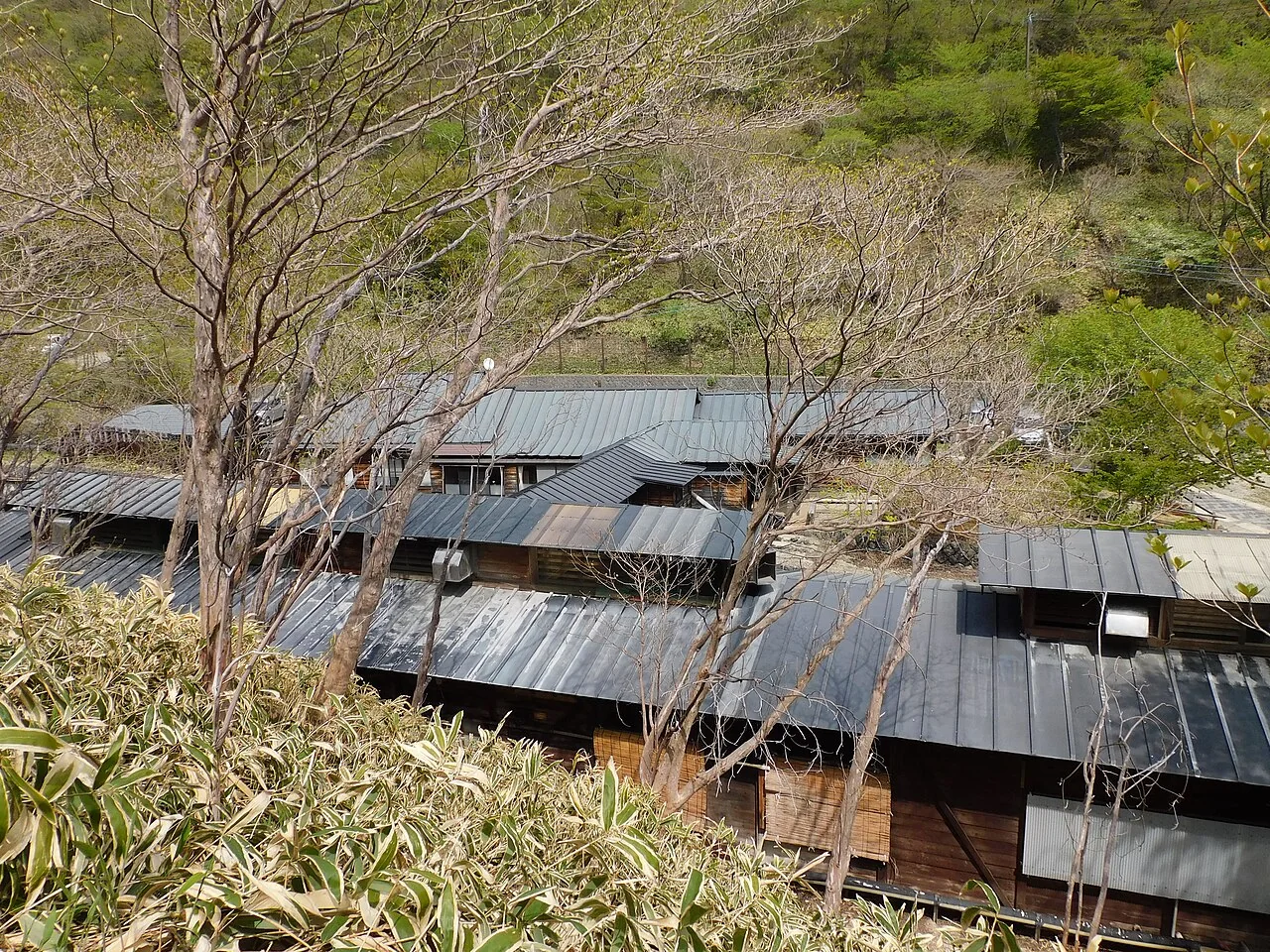
This Yumoto communal bath combines a wooden interior with pools at different temperatures. Read the bathing instructions and choose water that suits you rather than treating the hottest pool as a challenge. Pair the visit with the shrine or Sesshoseki nearby to keep bathing and town history in the same district.
Shika-no-Yu bathhouse
Location and access
Walk from the Nasu Yumoto bus-stop area
Time to allow
45–60 minutes
Opening hours
08:00–18:00; last reception 17:30
Price
Adult ¥500
Soap and shampoo are not permitted; use the inn's facilities for washing.
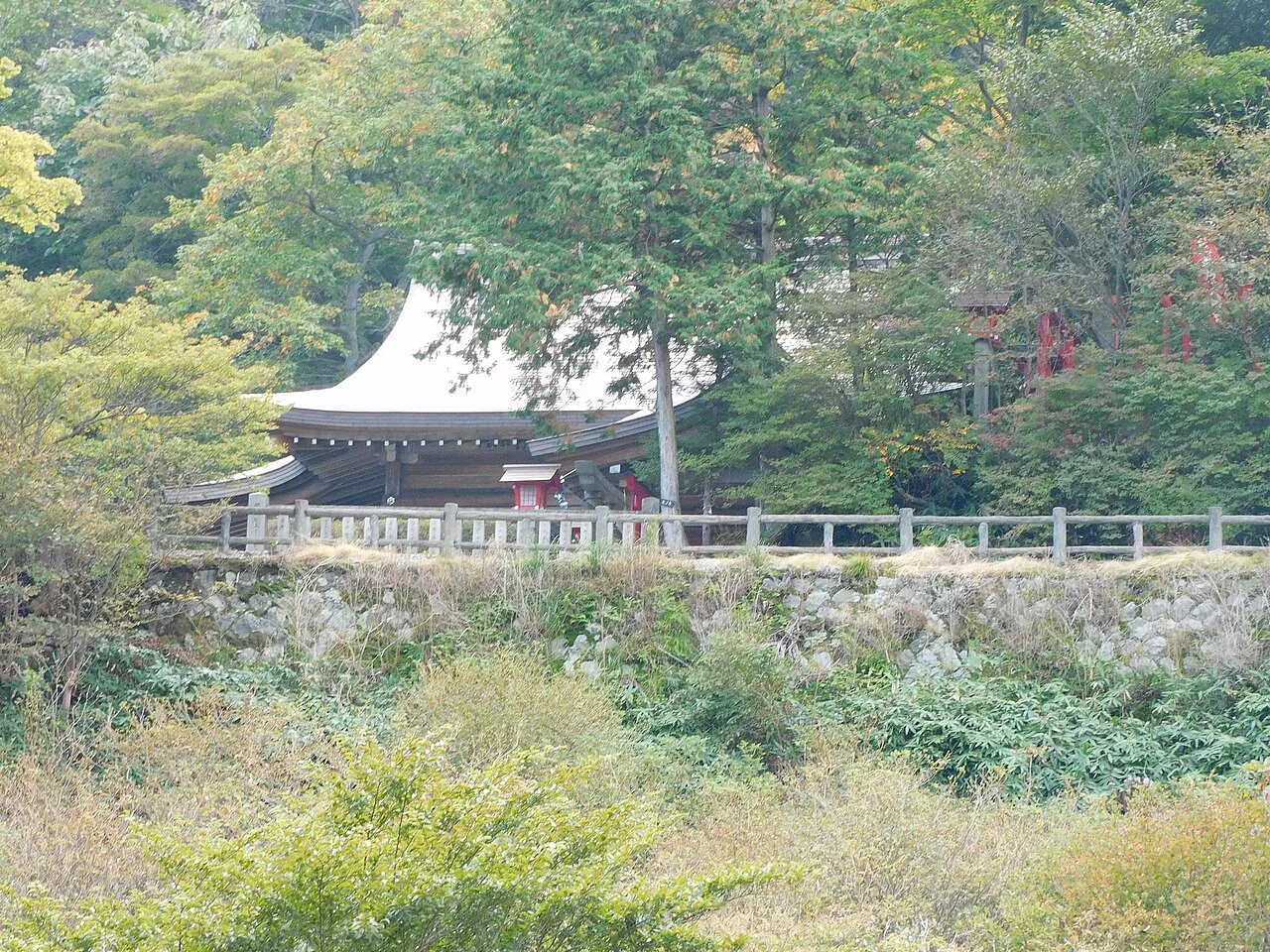
The shrine rises from Yumoto into a wooded hillside. Follow the approach to the buildings, then connect the visit with the neighbouring Sesshoseki legend. Together they introduce the worship and stories attached to this hot-spring settlement.
Location and access
Enter the approach from Yumoto; steps are involved
Time to allow
30–45 minutes
Put the shrine and Sesshoseki walk before Shika no Yu if you prefer to finish the outing with bathing.
Read the nine-tailed-fox legend, then look across the sparsely vegetated volcanic ground towards the stone. The story adds a reason to pause beyond taking a photograph. Beside Onsen Shrine, it fits naturally into a Yumoto outing, combining the landscape with the traditions attached to this particular place.
Location and access
Use the signed route beside Onsen Shrine in Yumoto
Time to allow
20–30 minutes
Follow the signed paths and local volcanic-gas and entry notices.
Boardwalks run through highland vegetation towards open mountain views. Azalea season draws attention to flowers close by; at other times, leaves and sky shape the walk. The low plant-level viewpoint differs from Yumoto's buildings and volcanic stone.
Location and access
Travel uphill from Yumoto; obtain a walking map from the visitor center
Time to allow
45–75 minutes
A boardwalk does not make every approach level; choose the extent of a shorter out-and-back walk.
Rise above the highlands for views across Nasu's mountain landscape. Beyond the upper station, a trail continues towards Mount Chausu, bringing rock slopes and open sky closer. A sightseeing return ride alone reveals a landscape different from the highland boardwalks.
Location and access
Continue uphill beyond Yumoto to the ropeway base station
Time to allow
1–2 hours for ride and views; hiking extra
Opening hours
2026 planned season 20 Mar–13 Dec, 08:30–16:30; last uphill 16:00, downhill 16:20
Price
Return: adult, junior high school and up, ¥2,000
The allowance excludes the summit climb, which needs a separate weather and equipment decision.
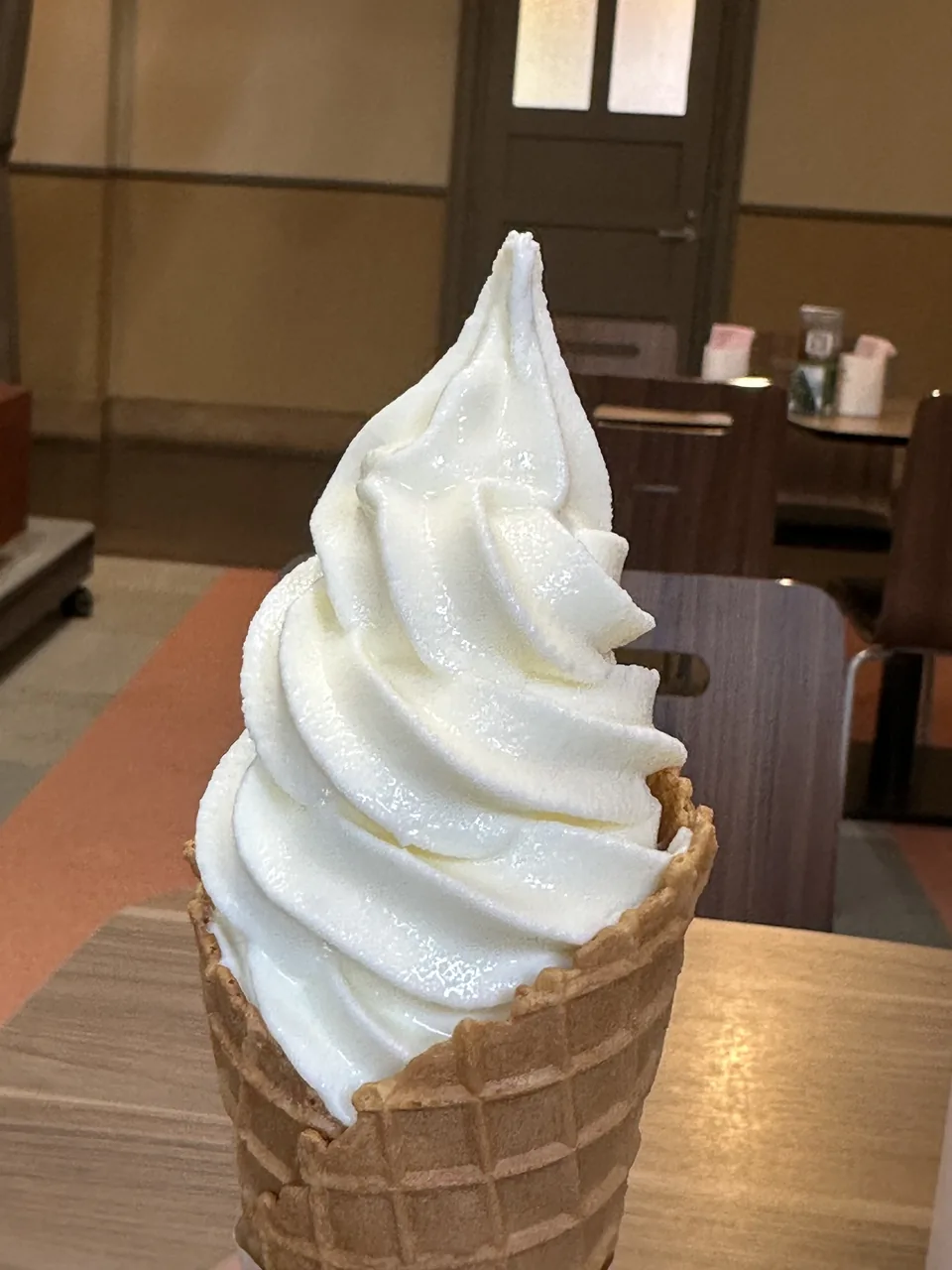
Animals, Guernsey dairy foods and farm products give this highland stop several points of interest. Soft serve and filled fried bread called peroshiki bring food into the visit alongside the animals and shopping.
Location and access
Separate road journey from central Yumoto or the ropeway
Time to allow
60–120 minutes
Price
Free entry; activities charged separately
Buy dairy gifts near departure, separating chilled products from food to eat on site.
Notice trees and small changes on the forest floor. Fureai no Mori has self-guided paths, while Manabi no Mori is entered with a guide. Instead of pursuing a summit, the visit focuses on plants, shade and the forest itself.
Nasu Heisei-no-Mori Forest
Location and access
Begin at the Field Center with transport from Yumoto arranged
Time to allow
60–120 minutes
Book a guided programme separately if you want to enter Manabi no Mori.
Shika no Yu in Yumoto is a communal bath with pools at different temperatures. It is not a washing stop using soap or shampoo; use your inn for that part of bathing. There is no need to work through every hotter pool. Follow the bathhouse's own instructions.
Nasu's springs spread across Yumoto, Shin-Nasu and Oku-Nasu, with different water and surroundings. If cloudy water or a sulphurous atmosphere matters, read the description of the bath you intend to use. Repeated communal-bath visits require a different base from staying inside a more distant inn. For family bathing together, look for a private inn bath separately from the communal bath's arrangements.
Yumoto, the highlands or Oku-Nasu
Yumoto is the base for walking between Shika no Yu, Onsen Shrine and Sesshoseki. Highland inns around places such as Shin-Nasu can suit time in the garden, room and dining spaces, with sightseeing arranged by road or shuttle. Farther uphill, Oku-Nasu includes mountain-road and seasonal travel considerations.
A Nasu address alone does not establish walking access to farms or museums. Trace one route from the inn to your first destination next morning to understand the difference. For mountain sightseeing, uphill and downhill travel shape the plan; for Yumoto, the communal-bath walk matters more. Shiobara Onsen is a separate destination, despite the name of Nasushiobara Station used as a gateway.
Beyond the station and up the mountain
Use a bus or inn shuttle from Nasushiobara or Kuroiso to the particular district. Neither rail arrival completes the journey to Yumoto. Connect the final stop with the inn entrance, and distinguish an accommodation shuttle from transport between attractions.
Nasu Ropeway lists a planned 2026 season of 20 March–13 December, and mountain bus service also varies by season. A summer mountain itinerary cannot be carried unchanged into winter. The tourism association lists the Nasu–Shinjuku highway bus as suspended, so this plan does not depend on it. Settle the station-to-inn round trip first, then one separate excursion towards the mountain, forest or farm that your available transport can actually serve.
Explore Yumoto through Onsen Shrine and the Sesshoseki legend
Use Nasu Onsen Shrine and Sesshoseki as anchors for a Yumoto walk. Visit the shrine approach, then read the nine-tailed-fox legend at Sesshoseki while looking at the sparsely vegetated volcanic ground. Giving the story a moment makes the stop more than a photograph of a rock. Shika no Yu is also in the Yumoto area, so bathing and town history can share a day.
Follow local signs about volcanic gas, entry and physical condition, and stay within permitted paths. Assess shrine steps and the rocky area's paths around your companions. For less walking, choose one bath and a short shrine visit rather than a complete circuit.
Choose a boardwalk or suspension-bridge outing around Yahata
Yahata Tsutsuji Park offers boardwalks through highland vegetation. Check bloom reports for an azalea trip; at other times, foliage and mountain views can shape the outing. Tsutsuji Suspension Bridge is about crossing the valley. Someone keen on a bridge view and someone seeking a short, gentler walk may need different routes.
Get a walking map and current nature advice at Nasu Kogen Visitor Center before deciding how far to go from Yumoto. Boardwalks alone do not establish that a whole route suits a wheelchair or pushchair: ask about entrances, steps, works and seasonal access. Komaruyama Park is another option for a pause with a view. Do not assume all these places form one easy walking circuit; choose the return bus stop too.
Decide separately on a ropeway ride and a Mount Chausu climb
Nasu Ropeway takes you up the slopes of Mount Chausu, but its upper station is not the summit. A further mountain trail leads uphill; town-walking footwear and a spare hour are not a climbing plan. For scenery alone, a ride followed by a return from the upper-station area is another option, subject to operations.
For a climb, check weather, volcanic information, trail conditions and return transport in advance. The ropeway has a winter closure and services can change with wind or other conditions. When the mountain is obscured, substitute the visitor center or a short Yumoto walk. Keep a farm visit, a mountain outing and bathing as choices rather than requirements for the same day.
Add dairy food and a farm visit at Minamigaoka
At Minamigaoka Farm, consider Guernsey dairy products or soft-serve ice cream as a highland food stop. There are places for meals and shopping, and the farm also lists a filled fried bread it calls peroshiki. Choose lunch or a small sweet stop according to the dinner included at your onsen inn.
For an animal experience, ask the farm about dates, participation conditions and wet-weather arrangements. It is a separate destination from Yumoto's communal baths, so settle the transfer first if travelling without a car. Check refrigeration requirements before buying milk or cheese to carry home, and purchase only what you can keep suitably cool during the journey.
Use the visitor center to rebuild a wet-weather plan
Nasu Kogen Visitor Center has displays about the Nasu-Kashi area's nature and advice for walks and mountain trips. On a day without a mountain outing, learn about plants, animals and terrain before continuing to the inn. It is also a place to ask about a short walk for a clearer following morning. Check calendars for exhibitions or activities rather than assuming a session will be available.
A multigenerational family need not share the same mountain route: some can see displays while others take a short suitable walk, then meet at the inn. Confirm access between parking, entrance, displays and toilets for the facilities you need. Keeping time for a private bath or dinner at the inn can reduce transfers more effectively than adding several distant wet-weather stops.
At Heisei-no-Mori, distinguish self-guided paths from guided-only forest
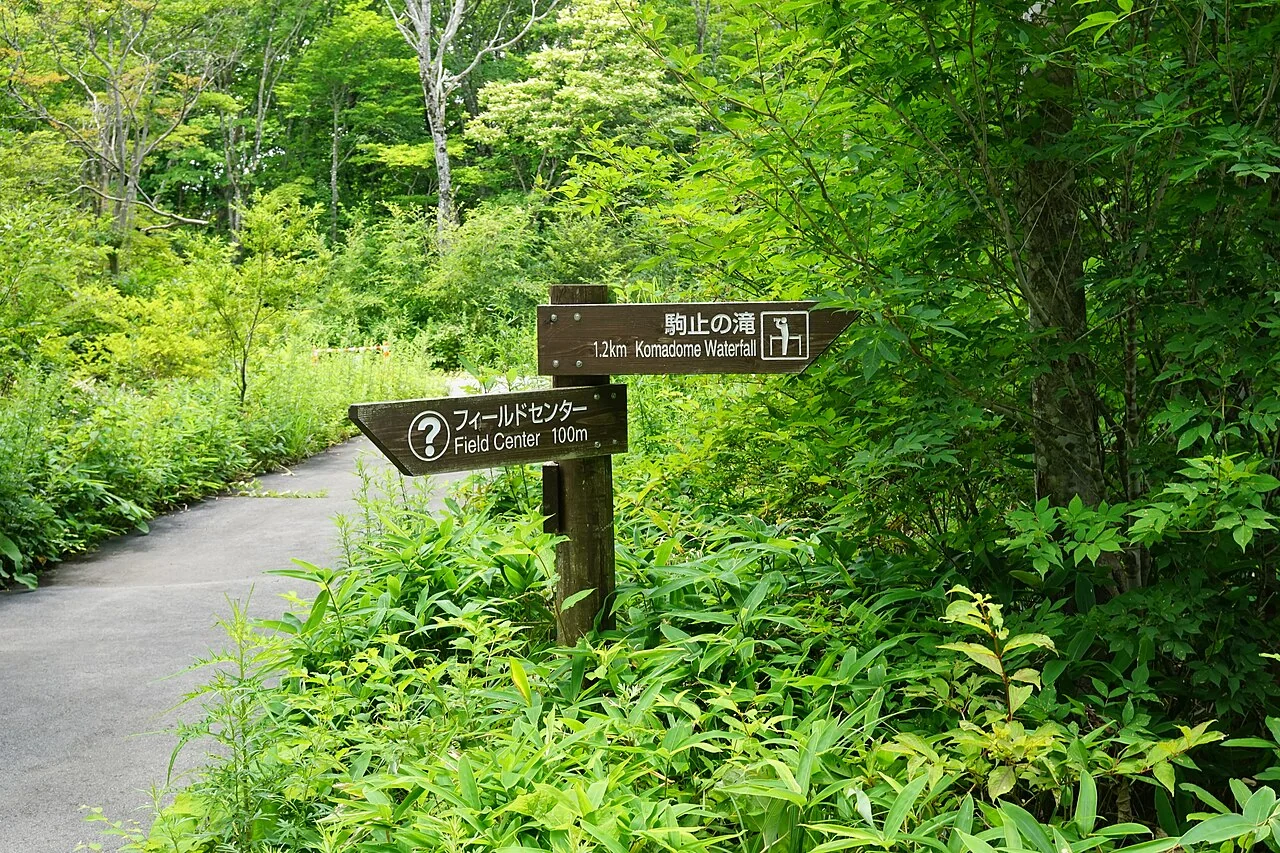
Nasu Heisei-no-Mori offers time to notice trees and smaller details on the forest floor. Fureai no Mori permits self-guided walks; Manabi no Mori is entered on a guided walk. Start at the Field Center for a route and current nature advice, then choose a short path or an outing towards the Komadome Falls viewing platform. The whole forest does not share one set of access conditions.
The operator identifies a wheelchair-accessible circuit, but that does not extend automatically to every path or the waterfall route. Check snow, wildlife and access notices, explaining your group's needs to the center. For a guided programme, arrange the reservation and meeting time before connecting it to Yumoto baths or an inn shuttle.
Yumoto, Shin-Nasu and Oku-Nasu need different travel plans
For a Shika no Yu visit, consider a base around Nasu Yumoto; for gardens and dinner at an inn, look at highland areas such as Shin-Nasu. Farther into Oku-Nasu, transfers and seasonal roads become part of the choice. Nasushiobara Station is not in the onsen town, and Shiobara Onsen is a different destination. Start with the property's address and nearest stop, then check the journey back from your planned outing.
Read Shika no Yu's bathing rules before visiting
Shika no Yu is a communal bath in Nasu Yumoto with pools at different temperatures. Soap and shampoo cannot be used here, so plan to wash at the inn or another suitable bath. Follow the posted instructions instead of treating every hotter pool as a step to complete. Keep a break around Yumoto after bathing rather than immediately setting off on a long sightseeing transfer.
An overnight suggestion: Yumoto walks and time at the inn
One plan is to travel from Nasushiobara or Kuroiso towards Yumoto, leave your bags and visit Shika no Yu before dinner at the inn. Add one nearby stop, such as Nasu Kogen Visitor Center, the following morning. If mountain views are the priority, swap in the ropeway only after checking weather and seasonal buses. A day visiting several farms or museums needs a different itinerary from a compact bathing stay.
Check the route map before choosing a bus pass
Local buses from Nasushiobara and Kuroiso, inn shuttles and sightseeing loops serve different purposes. Put your stops on a map and check whether the same route can take you out and back before selecting a pass. Mountain services change with the season, so a summer route may not work in winter. The tourism association lists the Nasu–Shinjuku highway bus as suspended; use current official routes rather than an older article's direct-bus plan.
살펴볼 숙소
Nasu Onsen Sanraku
Hotel Epinard Nasu
자주 묻는 질문
Can I walk from Nasushiobara Station to Nasu's onsen district?
Plan a bus, shuttle or other transfer to Nasu Onsen. The station is not the town's walking gateway. Confirm your inn's nearest stop and onward route, and distinguish Nasu services from those heading to Shiobara Onsen.
Can I wash my body and hair at Shika no Yu?
Soap and shampoo are not permitted. Plan washing at the inn or another suitable bath rather than treating this as a standard shower-equipped visit. Follow the facility's posted bathing instructions.
Photo credits
Photos are resized or cropped. Each photograph retains its linked licence.