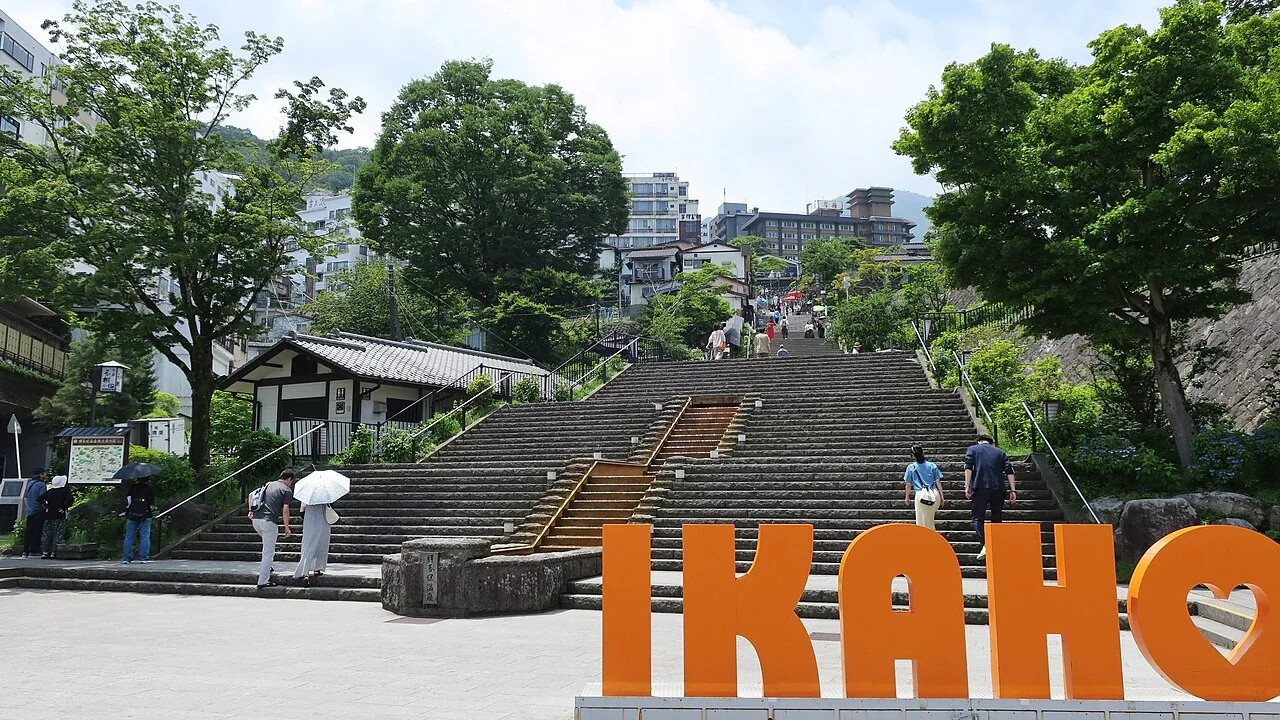
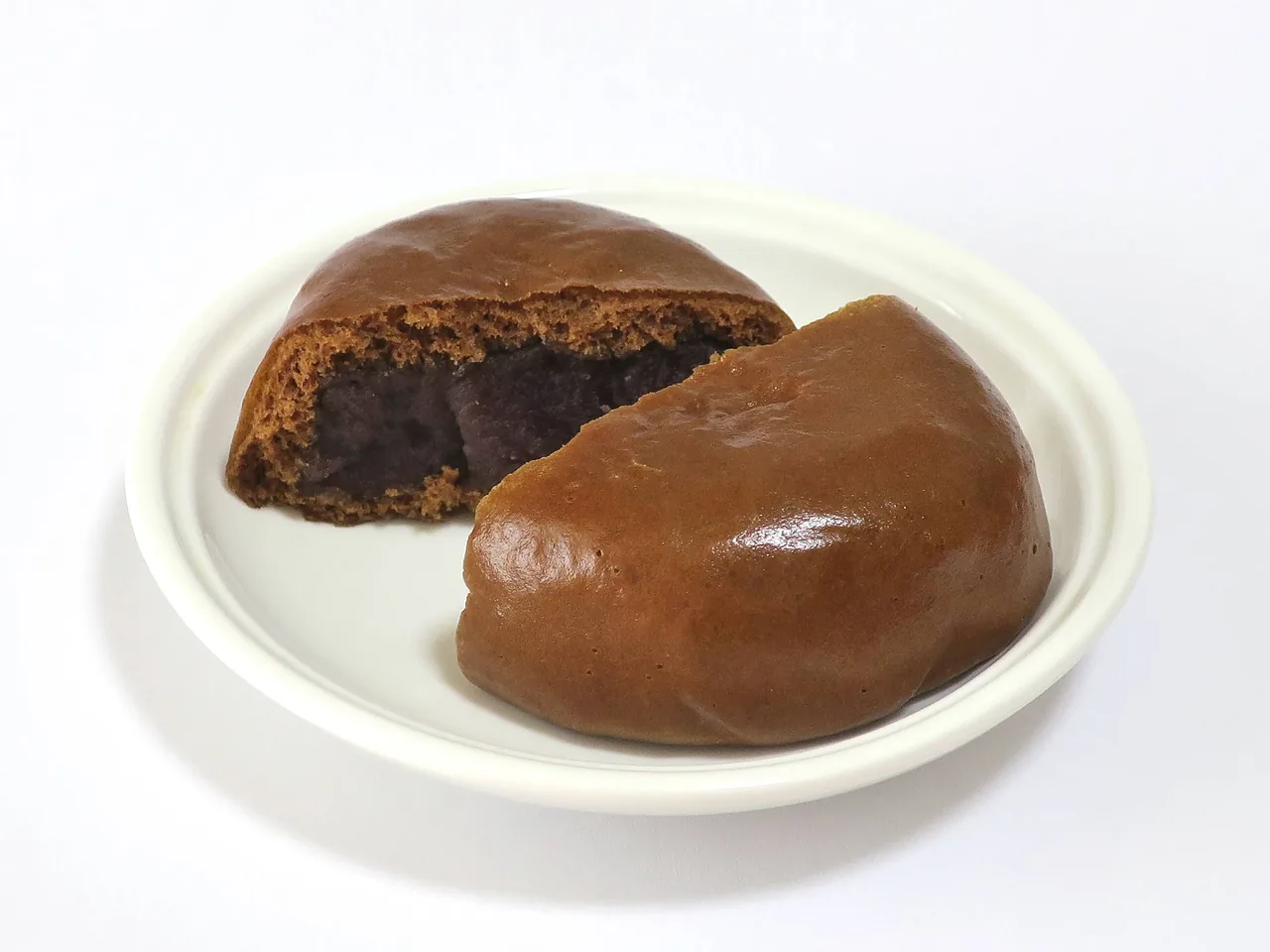
Browse Ikaho’s 365-step street, try yunohana manju and continue towards Kajika Bridge near the spring-source area. Turning back partway along the steps also makes a town walk. For one night, check whether your inn’s entrance is above or below the steps, then divide the walks around a public bath and dinner to reduce repeated climbs.
Shibukawa, Gunma — Browse the stone steps, then find the red bridge and golden water.
Arrival gateway
Bus from Shibukawa Station or a highway bus
Getting around
Plan the top and bottom of the steps and the Kajika Bridge extension
A good trip for
Town shopping, shrines and elevated views
Places to explore
Central onsen district
Ikaho Stone-Step Street
Sweet shops, shooting galleries and side lanes line the 365 steps. Water channels, signs and views into side streets reveal the town's details as the scene changes uphill. There is more to observe than the climb itself.
Location and access
Entrances and bus-stop positions differ at the top and bottom
Time to allow
60–90 minutes including breaks
Browse shops by day; an evening walk does not guarantee open shops.
The shrine stands above the stone-step shopping street. The scene changes from shopfronts to worship, with a chance to look back over the town. It marks a connection between the busy bathing settlement and local belief.
Location and access
At the upper end of the steps, before the Kajika Bridge extension
Time to allow
15–25 minutes
The shrine can be the turnaround point for a complete town walk.
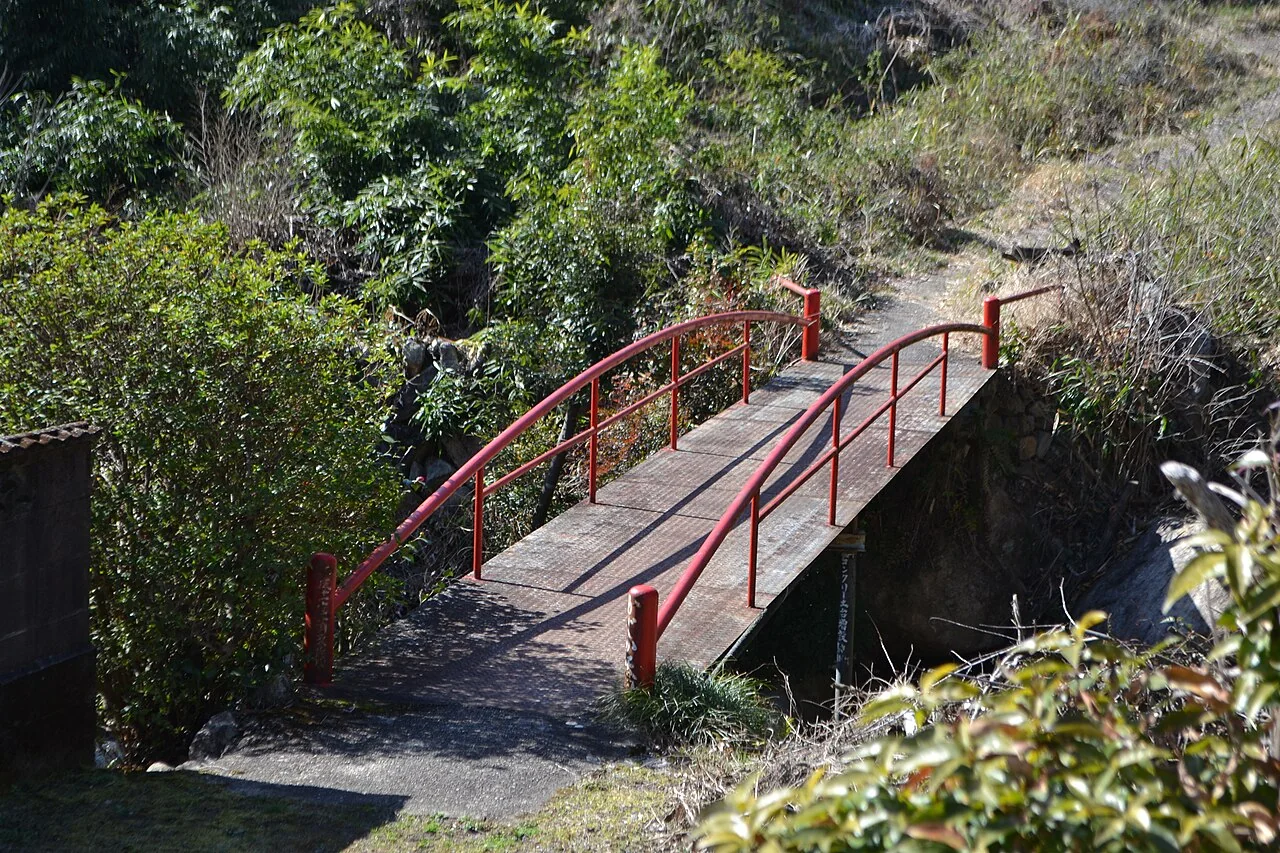
The red bridge contrasts with trees along the route towards the spring source. It lies beyond the top of the stone-step street, so include both outward and return walking. Its colour and greenery give the scene interest outside autumn; any evening illumination is a dated event rather than part of every visit.
Kajika Bridge
Location and access
Continue towards the source from Ikaho Shrine, or investigate town transport
Time to allow
20–30 minutes at the bridge, travel extra
For a bridge-and-bath outing, finish the outdoor walk before changing for the bath.
Soak in golden water close to the spring source. With no washing area, time here centres on the water itself. It gives a different experience from browsing the stone-step shops or looking at the bridge.
Location and access
Approach from the Kajika Bridge side
Time to allow
40–60 minutes
Opening hours
Apr–Sep 09:00–18:00; Oct–Mar 10:00–18:00; last reception 17:30. Closed first/third Thu, with exceptions
Price
Adult ¥600
Wash at the inn; bring a towel and walking shoes for the return route.
Ride from Hototogisu Station to Miharashi for views towards the surrounding mountains. The scene expands from close town lanes to a wider landscape. Choose a ride and viewpoint visit alone or add walking in Ikaho Forest Park; these require different amounts of time on the mountain.
Location and access
Board at Hototogisu Station in the resort
Time to allow
45–75 minutes for ride and views
Opening hours
09:00–17:00; last uphill 16:45
Price
Return: adult, junior high school and up, ¥830
A viewpoint-only return visit is possible; plan the mountain stay around the downhill service.
The building introduces Robert W. Irwin, minister of the Kingdom of Hawaii, and his connection with Ikaho. Architecture and displays add a history of international exchange to the steps and baths, tracing a person's life in the resort.
Location and access
Walk from the stone-step side of town
Time to allow
30–45 minutes
If the upper floor is your priority, choose its public-opening day; otherwise combine the exterior with another stop.
Combine temple buildings and worship with lunch in the Mizusawa udon district. Keeping the cultural visit and meal in the same area makes the outing coherent. This is separate from the stone-step street, so arrange the road or bus journey as a dedicated visit rather than a small town detour.
Location and access
Bus or road journey from the resort towards Mizusawa
Time to allow
30–60 minutes, meal extra
Pair the temple and udon lunch rather than adding Lake Haruna and its shrine to the same short outing.
Golden water, silver water and the source-side bath
Ikaho has golden and silver waters, with the supply differing by inn and bathhouse. If golden water is the purpose, begin with the description of the particular bath. In-room, private and communal baths at a property do not necessarily use identical water.
The source-side Rotenburo offers a golden-water soak without a washing area. Combine it with Kajika Bridge and wash at the inn. October–March opening begins at 10:00, making it more suitable for arrival afternoon or a leisurely morning than a day with an early onward train. Its last reception and first/third Thursday closures include exceptions; use the operating notice when fixing the actual visit date.
Which level of the steps will you return to?
An inn described as close to the steps can be near their top or bottom, changing both arrival and evening walks. Trace the luggage-carrying approach separately from the route out after dinner. A hillside viewpoint base and a location for repeated town outings use travel time differently.
If stairs burden a companion, build the plan around vehicle access to the inn and suitable town transport rather than assuming a complete climb. A lift alone does not establish level access between room, dining area and baths. When day two heads to the ropeway or Mizusawa, decide whether and how you will return for stored bags before leaving the district.
The bus from Shibukawa and travel within town
Local buses from Shibukawa and highway buses bring visitors into Ikaho. The stop changes the final climb to an inn, so follow the property's recommended arrival point. Leaving bags by shuttle or a road approach before climbing makes sightseeing easier than carrying them up the shopping steps.
Town buses serve a different purpose from the inbound Shibukawa service. For Kajika Bridge and Rotenburo, combine their routes with any inn transfer and identify the remaining walk rather than repeatedly climbing the entire stairway. Mizusawa and Lake Haruna require further outings. This plan pairs Mizusawa's temple with lunch and does not squeeze the lake and shrine into the same short afternoon.
Explore the stone steps through shops and the spring-water townscape
The stone-step district is more than a 365-step climb: look at sweet shops, shooting galleries and side lanes as the townscape changes uphill. Decide whether Ikaho Shrine at the upper end is the destination or whether a shorter out-and-back among the shops suits your companions.
A daytime shopping walk and an after-dinner stroll offer different experiences; shops need not remain open at night. Take care descending too, avoid holding up the centre of the steps for photographs, and check the route and lighting back to the inn. Completing every step is optional when an earlier return would suit the group better.
Treat Kajika Bridge and the spring source as an extension beyond the steps
Kajika Bridge offers a red bridge among trees and can be paired with a walk towards the spring source. If adding it after the climb to Ikaho Shrine, count the return journey too. For autumn trips, check current foliage and that year's illumination dates rather than choosing from an old photograph.
Nearby Ikaho Rotenburo is an option for Golden Water bathing, but it does not provide the same washing facilities as an inn's main bath. Decide whether you want a soak or a place to wash hair and body. If avoiding steps, investigate local transport and the remaining approach rather than assume the whole route to the bridge is level.
See a different side of Ikaho at the Hawaiian villa or Yumeji museum
The former Hawaiian minister's villa introduces Robert W. Irwin and Ikaho's connection with the Kingdom of Hawaii. Its building and displays add a strand of town history beyond the baths and steps. Upper-floor access is limited to particular days, so check the visitor calendar if that part matters to you.
For art, consider Takehisa Yumeji Ikaho Memorial Museum. Time with paintings and architecture can replace repeated climbs on wet steps. The villa and museum are separate venues: compare the approach from your inn, closing days and routes inside, including any access needs, before choosing one or combining both.
Pair Mizusawa udon with a visit to Mizusawa Kannon
For an outing towards Mizusawa, pair Mizusawadera, also called Mizusawa Kannon, with a Mizusawa udon lunch. It groups a meal and a cultural visit in the same direction, separate from the stone-step walk. Broths and menus differ by restaurant, so choose around the meal and any dietary needs.
Mizusawa is not a side lane immediately beside the steps. With a bus, confirm operating days and the return service; with a car, check parking arrangements for both temple and restaurant. Yunohana manju is another option for a small town sweet or a gift. Decide when to buy it and how to carry it home rather than stacking a heavy snack between lunch and the inn's dinner.
Choose Ikaho Ropeway for a local view or plan Haruna as a separate outing
For a mountain view near town, consider Ikaho Ropeway and the area around Miharashi Station. Separate the ride from any upper-area walk, and check weather and the final return service. Long views depend on conditions; keep a museum visit or time at the inn available when cloud limits the scenery.
Lake Haruna and Haruna Shrine need a separate transport plan from the onsen walk, and the lake and shrine are themselves different stops. Check both directions of a bus journey. Trying to combine the lake, shrine, Mizusawa and stone steps within a short overnight stay leaves little time for bathing. Choose the main purpose: a view, a temple visit or food.
Check the inn entrance against the top and bottom of the steps
Ikaho's main stairway has 365 steps, so a description saying 'near the steps' does not establish the climb. Check the bus-stop-to-entrance route before arriving with luggage. Prioritise street access for walks, or transfers, lifts and meals for an inn-centred stay. With older relatives or small children, ask separately about the outdoor slope and steps between the room and bath.
Check the bath itself if golden water is the reason for your trip
Ikaho has golden and silver waters; a property name alone does not identify which it offers. Verify the supply to private and in-room baths as well as the main bath. Ikaho Rotenburo near the spring source uses golden water but has no washing area. Plan it as a separate soak, with washing at the inn or another suitable facility, rather than expecting the same equipment at every bath.
An overnight suggestion: see the steps and Kajika Bridge by day
One plan is to leave bags at the inn and browse the stone-step street on the way towards Ikaho Shrine. Extend to Kajika Bridge near the spring source if the walk suits you, then return before dinner. After a morning bath and breakfast, choose whether to add a Mizusawa stop on the way home. For autumn illuminations, check the route in daylight, dress for the cold and watch your footing after dark.
Separate the bus from Shibukawa from travel within Ikaho
Buses from Shibukawa and Ikaho's town bus cover different parts of the journey. The town network includes access towards Kajika Bridge and the open-air bath, so compare its current services with the inn's transfers instead of assuming every route requires climbing the entire stairway. Lake Haruna or Mizusawa needs its own bus plan. Drivers should also check how to reach the street after leaving the car at the inn.
살펴볼 숙소
Fukuichi
Oyado Tamaki
Kishigon Ryokan
자주 묻는 질문
Do I need to climb all the steps to enjoy Ikaho?
You can visit part of the street and centre the stay on the inn's baths. Check town buses or property transfers and choose a location with the bus-stop-to-entrance climb in mind.
Does Ikaho Rotenburo have a washing area?
The official facility page states that it has no washing area. Treat it as a place to soak, and plan washing at the inn or another bath. Check operating days and admission before visiting.
Photo credits
Photos are resized or cropped. Each photograph retains its linked licence.