See the colour of Umi Jigoku, follow steam-filled lanes in Kannawa and try a steam-cooked lunch. Beppu brings geothermal sightseeing, cooking and bathing into the same trip. For one night, plan Kannawa and the station-side streets around Takegawara Onsen as separate walks, with the bus transfer settled first to reduce repeated journeys across town.
Beppu, Oita — Blue geothermal pools, steaming lanes and a lunch cooked by spring steam.
Arrival gateway
JR Beppu Station
Getting around
Use buses between the station, Kannawa and Myoban, then explore each district on foot.
A good trip for
Geothermal sights alongside baths, steam cooking and bamboo craft
Places to explore
Kannawa, Umi Jigoku group
Umi Jigoku
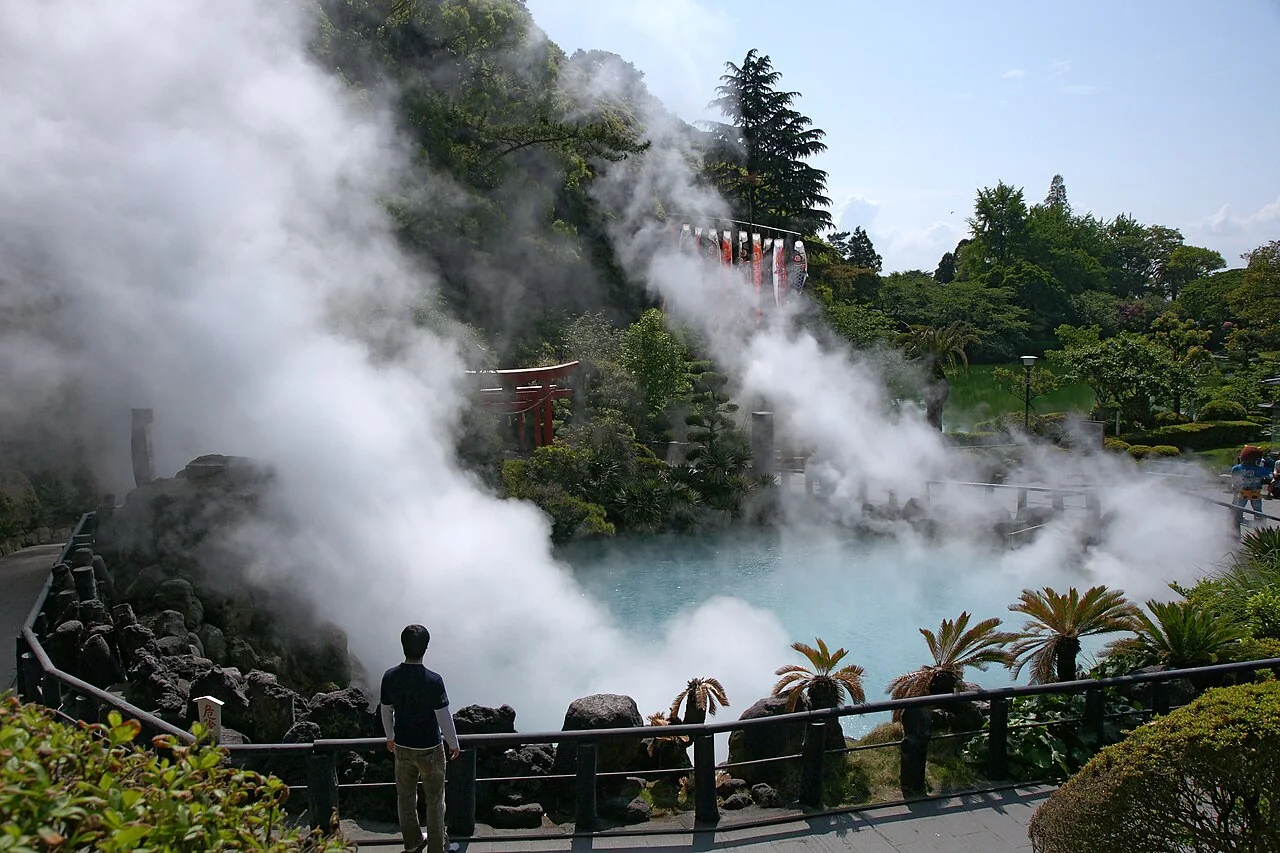
A cobalt-blue hot pool and rising steam introduce Kannawa's geothermal scenery. Observe colour and steam rather than expect a swimming or bathing pool. Pair it with the lanes and a steam-cooked lunch to connect the area's visible heat with how people use it.
The blue pool at Umi Jigoku
Location and access
Take a Kannawa-bound bus from Beppu Station's west side to Umi-jigoku-mae or the appropriate nearby stop.
Time to allow
Allow 30–45 minutes
Opening hours
08:00–17:00, open year-round.
Price
Umi Jigoku only: adults, high school and above ¥500
Choose single admission or the seven-hell pass according to the places you plan to visit.
The red pool at Chinoike and the geyser at nearby Tatsumaki offer different geothermal scenes. They form a group separate from Kannawa's five hells. Choose this extra outing for colour and erupting water, allowing waiting time for the geyser as well as the transfer.
Location and access
About 3 km from the Umi Jigoku group; use a bus or car between them.
Time to allow
Allow 60–90 minutes for the pair, plus travel
The operator lists route 16 from Kannawa and route 26 back; distinguish the direction when boarding.
Use a spring-steam cooker for a hands-on meal. Arranging vegetables, eggs or seafood and following the cooking instructions turns Kannawa's heat into something to taste. It can be a light lunch between sights or the main food activity, with time needed to eat as well as cook.
Location and access
Walk into the lanes from the Kannawa bus-stop area.
Time to allow
Allow 60–90 minutes plus any queue
Food and cooker hire are separate charges; settle quantity and any bring-your-own rules at reception.
A grand curved roof marks this historic station-side bathhouse. Ordinary bathing beneath a high ceiling and lying in warm sand in a supplied robe offer distinct experiences. The architectural setting gives another perspective alongside Kannawa's open geothermal scenes.
Location and access
About ten minutes on foot from Beppu Station.
Time to allow
Allow 45–60 minutes for ordinary bathing; add waiting time for sand bathing.
Opening hours
Ordinary bath 06:30–22:30; sand bath 08:00–22:30, last reception 21:30. Closed third Wednesdays, or the next day after a holiday.
Price
Ordinary bath: adults, junior high and above ¥300; sand bath ¥1,500 per person.
Sand bathing is for ages six and above; choose the experience around the whole party.
Look at baskets and artworks to see how different weaving patterns turn thin bamboo strips into forms. The displays connect everyday objects with artistic craft, giving context before choosing a small item in the shop. It offers a cultural indoor visit beyond baths and geothermal pools.
Location and access
Plan a separate transfer from the station or Kannawa lanes.
Time to allow
Allow 45–60 minutes
Workshops are separate from admission; choose a dated session suited to the participants.
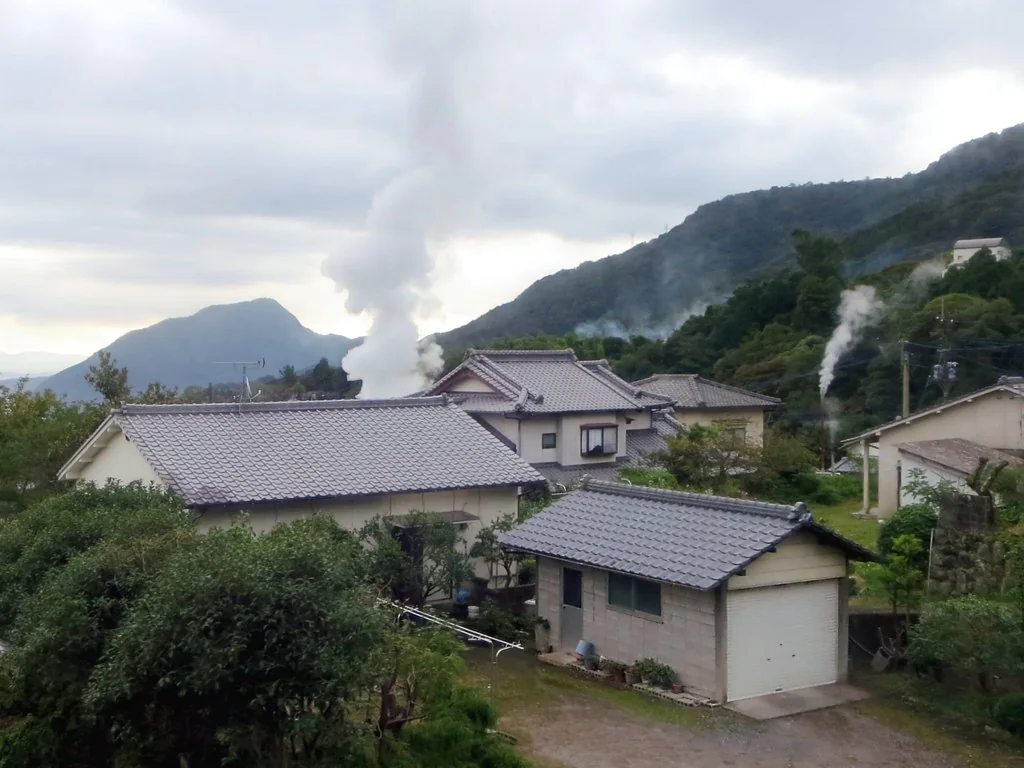
Look across steam rising between Kannawa's buildings from an elevated viewpoint. After seeing geothermal pools close up, this gives a broader sense of the spring town. The viewpoint sits within a residential setting, making it a quiet, short stop rather than a gathering place for a large group.
Location and access
Allow a separate uphill approach from the Kannawa lanes.
Time to allow
Allow 20–30 minutes plus travel
Keep roads and house entrances clear, then return to the local inn or bus stop.
Replace the station bath with bamboo craft or the Chinoike–Tatsumaki group, giving one extra outing its own time.
Local food to try
Jigoku-mushi steam cooking
At Jigoku Mushi Kobo Kannawa, steam vegetables, eggs or seafood using geothermal heat. Operating the cooker is part of the meal. Allow time for preparation and eating, following staff instructions around hot equipment.
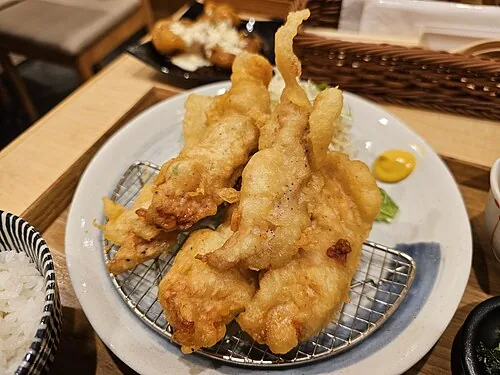
Try Oita's chicken tempura for lunch between outings, using regional menus such as Amamichaya's as a starting point. Its coating and accompaniments give a different experience from fried chicken; follow the restaurant's sauce and condiment serving.
Dango-jiru is soup containing stretched wheat dough. For a sweet variation, yaseuma pairs wheat dough with kinako and other toppings. Amamichaya's menu provides examples for choosing either a meal or a smaller sweet break.
Jigoku sightseeing means viewing hot pools and steam, not entering a bath. Kannawa Mushiyu uses sekisho plants in a steam-bathing experience; Takegawara offers ordinary and sand baths. Clothing, age conditions and reception differ, so choose the additional bath around your group and the inn's facilities. The seven-hell sightseeing pass costs ¥2,400 for an adult and is valid on the purchase day and following day; it need not turn one afternoon into a completion task. Decide which experience to add to the stay and leave actual bathing time alongside geothermal viewing.
Spend the evening by the station, in Kannawa or Myoban
The station area combines rail arrival, restaurants and a Takegawara walk. Kannawa centres on steaming lanes and steam-cooked food; Myoban offers an uphill setting associated with yunohana huts. A seafront room view and an evening walking around Kannawa point towards different bases. Beppu Hatto is a group of districts, not one walkable neighbourhood. Choose where you want to spend the evening and start the morning. Keep a departure built around the inn's bath separate from one adding another district, so an overnight stay retains time at the property.
Travel between districts, then walk locally
Use Beppu Station as the rail gateway and buses for Kannawa or Myoban. A Kannawa-bound service and one continuing to the Kamegawa-side hells have different destinations. Five hells around Umi Jigoku are within walking distance of each other, while Chinoike and Tatsumaki lie about 3 km away; the operator recommends a bus or car between the groups. Choose a Kannawa-only day or a two-group visit. Indoor alternatives such as bamboo craft and fragrance museums also require their own transfers. Make one the main outing in rain, including the return to the station or inn.
Kannawa's steam lanes and the station-side Takegawara district
For a half-day in Kannawa, choose the hells that interest you, walk the steam-filled lanes and plan a steam-cooked lunch. Select by what you want to observe, such as water colour or bubbling mud, rather than assuming every hell is the same. Yukemuri Observatory is a separate uphill stop; check the climb and return, and respect the surrounding residential streets.
Near the station, Takegawara Onsen's large roof and the surrounding older streets make an architectural walk. Separate looking at the building from taking a bath. For sand bathing, check reception and waiting arrangements separately from the ordinary bath. Transfer between Kannawa and the station district before starting another walking circuit.
Steam cooking needs food and a cooker; steam bathing needs preparation
At Jigoku Mushi Kobo Kannawa, visitors can cook food with hot-spring steam. Seafood, vegetables and eggs make it a possible lunch before a ryokan dinner. Check food charges, cooker hire, rules for bringing ingredients and any queue; allow time to eat as well as cook. Follow staff instructions around the hot equipment and supervise children.
Kannawa Mushiyu is a separate steam-bathing experience using sekisho plants, not a restaurant. Check age eligibility, clothing to bring, rental garments and current admission arrangements. The shared word 'steam' does not mean the activities share a booking or packing list. If doing both, leave breaks between walking, eating and bathing. Sand bathing is a separate experience with its own reception arrangements. Spring water and facilities also vary, so choose the additional visit around the baths already available at your inn.
Bamboo craft or fragrance for an indoor afternoon
Beppu City Traditional Bamboo Crafts Center shows baskets and artworks with different weaving patterns. Browse the displays before choosing chopsticks or another everyday item from the shop. Workshop sessions can have separate dates, capacity and age conditions, so check those before relying on a craft activity.
Oita Fragrance Museum offers perfume and fragrance displays, with blending experiences as another option. Admission alone should not be assumed to secure an activity slot. Neither museum is immediately beside Kannawa's lanes. On a rainy day, choose one and plan its transfer plus the return to your inn or station instead of travelling between several indoor venues.
Toriten, dango-jiru and yaseuma between outings
Beyond steam cooking, consider toriten chicken tempura, dango-jiru soup with stretched wheat dumplings, or yaseuma, a sweet wheat-based dish served with kinako and other toppings. A menu photograph helps if the word 'dumpling' suggests a different shape from the local dish.
On a steam-cooking day, decide whether a small sweet or dinner at the inn completes the food plan. Beppu's districts are spread out, so avoid repeatedly crossing town for individual meals and baths. Leave a break after eating, and check children's choices and allergies with the venue.
Choose a district before comparing Beppu hotels
Consider the station area for rail arrival and a choice of places to eat, Kannawa for steam-filled lanes, or Myoban for the hillside setting and yunohana huts. Beppu Hatto includes separated districts; treating the whole resort as one walkable neighbourhood can make the itinerary impractical.
A seafront-view stay and time spent in Kannawa's lanes call for different locations. Choose where you want to spend the evening and begin the next morning, then compare properties within that area.
The sightseeing hells form two separate groups
The hells around Umi Jigoku and the Chinoike–Tatsumaki group do not form one short walking loop. The operators describe about 3 km between the groups and recommend travelling that section by bus or car. Without a car, distinguish a Kannawa-only visit from an outing that includes the other group.
Jigoku sightseeing is a visit to geothermal scenery; it does not replace time for a bath. Choose a bathing facility or plan to use the inn afterwards so the day leaves time to experience the water as well as see it.
A suggested overnight plan built around one district
On arrival, take a bus from Beppu Station to Kannawa and choose hell sightseeing or a steam-cooked meal before reaching the inn. If sleeping in Kannawa, add an evening lane walk; if staying by the sea, leave time for the room view and bath. We suggest leaving a full Beppu Hatto circuit for another trip.
Next day, make time for breakfast and the inn's bath, then return towards the station or check transport options before visiting one other district, such as Myoban. Treat an overnight visit to Yufuin as the next stay rather than packing it into the same Beppu sightseeing day.
살펴볼 숙소
Suginoi Hotel
Sansou Kannawaen
Hotel Shiragiku
자주 묻는 질문
Can I bathe during Beppu's jigoku sightseeing?
The hells are a geothermal sightseeing experience. Plan bathing at another facility or at your inn. Travel is also needed between the Umi Jigoku group and the Chinoike–Tatsumaki group.
Should I stay near Beppu Station or in Kannawa?
Consider the station area for rail convenience or Kannawa for steam-filled lanes and steam cooking nearby. Plot your chosen sights and inn, then compare the bus journeys involved.
Are jigoku-mushi cooking and Kannawa Mushiyu the same activity?
No. Jigoku-mushi cooks food with hot-spring steam; Kannawa Mushiyu is steam bathing with sekisho plants. They have separate venues and reception rules. Check food/cooker terms and bathing clothing/age rules independently.
What indoor experiences can I consider in Beppu?
Consider the bamboo crafts centre or Oita Fragrance Museum. Crafting and fragrance blending can have separate availability from exhibition admission. Check activity slots and plan transfers from Kannawa or the station.
Photo credits
Photos are resized or cropped. Each photograph retains its linked licence.